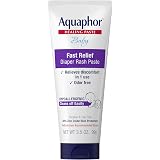

Imagine the overwhelming joy and slight trepidation that washes over new parents as they prepare for their little one’s arrival. Among the myriad of decisions, selecting the right skincare products for a newborn can feel particularly daunting. The delicate nature of infant skin necessitates a thoughtful approach, as it is markedly different from adult skin, requiring specialized care. While the accompanying video offers an excellent starting point by listing some of the top newborn baby skin care products available in India, a deeper understanding of pediatric dermatological principles is often sought.
The epidermal barrier of a newborn’s skin is not fully developed at birth. This means it is thinner, more permeable, and thus more susceptible to irritants, infections, and moisture loss. Therefore, the selection of appropriate cleansers, moisturizers, and other topical treatments becomes a critical aspect of infant care. Products designed for adults frequently contain harsh chemicals, fragrances, and dyes that are entirely unsuitable for a baby’s developing integumentary system. It is imperative that products are specifically formulated to maintain the natural pH balance of a baby’s skin, which is typically around 5.5, slightly acidic, to support the skin’s protective acid mantle.
Understanding Newborn Skin: A Foundation for Care
A newborn’s skin is characterized by several unique features that dictate the type of care it requires. Its stratum corneum, the outermost layer, is approximately 30% thinner than an adult’s. This increased fragility results in a reduced barrier function, which impacts both hydration retention and protection against external aggressors. Consequently, harmful substances can be absorbed more readily, and transepidermal water loss (TEWL) is significantly higher, predisposing infants to dryness and irritation.
Additionally, the ratio of skin surface area to body weight is considerably higher in infants. This anatomical distinction means that any applied substances are proportionally absorbed in larger quantities relative to their body mass. Therefore, the use of safe, gentle, and pediatrician-recommended products is not merely a preference but a fundamental requirement for infant health. The goal is always to support the natural development of the skin barrier without causing undue stress or sensitization.
Key Ingredients and Formulations: What to Seek and What to Avoid
When selecting newborn baby skin care products, an informed approach to ingredient lists is highly beneficial. Certain components are known to support healthy infant skin, while others should be meticulously avoided. Generally, products marketed as “hypoallergenic” and “dermatologist-tested” are preferred, though these terms are not always regulated consistently.
Beneficial ingredients often include emollients and humectants. Emollients such as shea butter, ceramide NP, or caprylic/capric triglyceride work by filling in gaps between skin cells, thereby smoothing and softening the skin. Humectants, like glycerin or hyaluronic acid, attract and bind water to the skin, enhancing hydration. Natural oils, such as sunflower seed oil or oat kernel oil, are also frequently incorporated for their soothing and moisturizing properties, provided they are cold-pressed and free from contaminants.
Conversely, a range of ingredients should be avoided in infant formulations. These typically include synthetic fragrances, which are a common cause of allergic reactions and irritation. Dyes, parabens (often used as preservatives), phthalates (plasticizers), sulfates (harsh cleansing agents), and alcohol should also be absent from baby products. Imagine if a seemingly innocuous fragrance caused a severe contact dermatitis on an infant’s delicate skin; the potential for discomfort and prolonged irritation is significant. Awareness of these components allows parents to make more judicious choices.
Diving Deeper into Featured Brands for Newborn Baby Skin Care in India
The video briefly introduced five popular brands available in India. Expanding on their general characteristics can provide greater context for parents navigating the choices. It should be noted that product formulations can vary, and individual responses to products are unique.
Aveeno Baby
Aveeno Baby products are often recognized for their use of colloidal oatmeal. This ingredient has long been documented for its soothing and protective properties, particularly beneficial for dry, itchy, or eczema-prone skin. The natural compounds found in oats, known as avenanthramides, are understood to possess anti-inflammatory and anti-itch characteristics. Aveeno’s formulations are typically designed to be fragrance-free and hypoallergenic, aiming to provide gentle moisturization and relief from minor skin irritations. It is a brand frequently recommended by pediatric dermatologists for its efficacy in barrier repair and maintenance.
Cetaphil Baby
Cetaphil is a brand widely associated with gentle skincare for sensitive skin across all age groups. Their baby line upholds this reputation, focusing on minimalist formulations that are often free from harsh chemicals and fragrances. Cetaphil Baby products, including washes and lotions, are engineered to cleanse and moisturize without stripping the skin’s natural oils. The brand’s emphasis on non-irritating ingredients makes it a staple for parents seeking straightforward, effective care, particularly for infants with a propensity for sensitivity. The products are often soap-free and pH-balanced, aligning with the needs of immature skin.
Sebamed Baby
Sebamed distinguishes itself with a strong emphasis on maintaining the skin’s physiological pH of 5.5. This specific pH value is crucial for the integrity of the acid mantle, which acts as the skin’s primary defense against environmental stressors and pathogens. Sebamed Baby products are formulated to be soap-free, utilizing gentle surfactants that cleanse without disrupting this vital barrier. The brand’s range, which includes washes, lotions, and oils, is often chosen by parents whose pediatricians have specifically advised on pH-balanced products. Their philosophy is rooted in scientific research supporting the importance of maintaining an acidic skin surface for optimal health.
The Moms Co.
The Moms Co. has gained traction in the Indian market with its focus on natural, toxin-free, and plant-based formulations. This brand caters to the growing demand for products free from synthetic additives, aligning with a more holistic approach to baby care. Their products are often enriched with ingredients like avocado oil, shea butter, and organic chamomile oil, selected for their nourishing and soothing properties. The Moms Co. emphasizes transparency regarding its ingredients and manufacturing processes, appealing to parents who prioritize purity and ethical sourcing in their newborn baby skin care products. Certifications for safety and non-toxicity are often highlighted by the brand.
Mamaearth
Mamaearth is another Indian brand that has rapidly become popular, particularly for its commitment to “toxin-free” and “natural” products. They offer a diverse range of baby care items, from head-to-toe washes to specific creams for concerns like mosquito bites or sun protection. Mamaearth frequently incorporates popular natural ingredients such as calendula, lavender, and coconut oil into its formulations. The brand positions itself as a safe and gentle option for babies, often emphasizing dermatological testing and a pledge against common harmful chemicals. Their accessibility and variety make them a favored choice among a broad segment of Indian parents seeking natural baby care solutions.
Essential Newborn Skincare Routine Elements
Beyond product selection, establishing a consistent and gentle skincare routine is paramount for maintaining a newborn’s skin health. These routines should be simple and designed to support the skin’s natural functions without over-processing.
Gentle Bathing Practices
Bathing should be a gentle and brief affair, typically not exceeding 5-10 minutes. Lukewarm water is always recommended, as excessively hot water can strip the skin of its natural oils. A mild, soap-free cleanser specifically designed for newborns should be used sparingly, primarily on areas prone to dirt accumulation, such as the neck folds, diaper area, and hands. Frequent bathing, especially in the first few weeks, is often unnecessary and can contribute to skin dryness. Imagine if a baby’s daily bath, intended for hygiene, inadvertently led to persistent dry patches; adjusting the frequency and products would be essential.
Optimal Moisturization
After bathing, gentle patting of the skin with a soft towel is advised, leaving it slightly damp. This creates an ideal canvas for applying a suitable moisturizer. A fragrance-free, hypoallergenic baby lotion or cream should be applied liberally to seal in moisture and provide an additional protective layer. Moisturizing at least once daily, and more frequently for babies with dry or sensitive skin, helps prevent conditions like eczema and maintains skin suppleness. Regular application is a proactive measure against TEWL.
Effective Diaper Care
The diaper area requires particular attention due to constant exposure to moisture, friction, and irritants from urine and feces. Frequent diaper changes are crucial, ideally every 2-3 hours or immediately after soiling. The area should be gently cleansed with water and a soft cloth or fragrance-free wipes. A barrier cream containing zinc oxide or petrolatum should be applied after each change to create a protective layer against wetness and reduce the incidence of diaper rash. This preventive step is much more effective than treating a rash once it has developed.
Addressing Common Newborn Skin Concerns
Despite the best care, newborns can experience various common skin conditions. Understanding these can help parents react appropriately or know when to consult a pediatrician.
Diaper Rash Management
Diaper rash is one of the most prevalent skin conditions in infants. It is characterized by redness and irritation in the diaper area, often caused by prolonged exposure to wetness, friction, or yeast infections. Prevention through frequent changes and barrier creams is key. If a rash develops, ensuring the area is clean and dry before applying a thick layer of zinc oxide cream or a doctor-recommended antifungal cream is crucial. Allowing some diaper-free time can also significantly aid healing. Imagine a baby constantly crying due to a severe rash; prompt and effective treatment brings immense relief.
Cradle Cap Solutions
Cradle cap (seborrheic dermatitis) presents as greasy, scaly patches on the baby’s scalp. While it may appear unsightly, it is harmless and usually resolves on its own. Gentle remedies include washing the baby’s hair daily with a mild baby shampoo and using a soft brush to gently loosen the scales after application. Mineral oil or baby oil can also be applied to the scalp for a few hours before washing to soften the scales, facilitating their removal. Harsh scrubbing should be avoided as it can irritate the delicate scalp.
Managing Dry Skin and Eczema
Dry skin is common in newborns, especially in drier climates or during winter months. Regular use of a rich, emollient baby lotion is foundational. For more persistent dryness or for infants diagnosed with eczema (atopic dermatitis), a more intensive moisturizing regimen is often prescribed. This may involve thicker creams or ointments applied multiple times a day, particularly within minutes of bathing to lock in moisture. Identifying and avoiding triggers, such as harsh soaps or certain fabrics, also plays a significant role in managing eczema flare-ups. A pediatrician or pediatric dermatologist should be consulted for chronic or severe cases.
Baby Acne and Other Minor Irritations
Baby acne appears as small red or white bumps on a newborn’s face, typically around 2-4 weeks of age. It is thought to be caused by maternal hormones and usually resolves spontaneously within a few weeks without intervention. No treatment is typically required, beyond keeping the skin clean with mild baby cleanser and water. Other minor irritations, such as milia (tiny white bumps due to clogged pores) or erythema toxicum (a common newborn rash), are also self-limiting and rarely require medical treatment. Observation and gentle care are usually sufficient.
Choosing the Right Products for Your Baby’s Unique Needs
Ultimately, the selection of newborn baby skin care products should be a personalized process. Every baby’s skin is unique, and what works well for one may not be ideal for another. Factors such as the baby’s skin type (e.g., normal, dry, sensitive, eczema-prone), the local climate, and any specific skin concerns should guide parental choices.
It is always recommended that new products be patch-tested on a small, inconspicuous area of the baby’s skin, such as behind the ear or on the inner arm, for 24-48 hours before widespread use. This helps to identify any potential allergic reactions or sensitivities early on. Furthermore, for any persistent or concerning skin conditions, a consultation with a pediatrician or pediatric dermatologist is invaluable. Medical professionals can provide accurate diagnoses and recommend targeted treatments, ensuring the baby’s skin health is optimally managed.
Your Newborn’s Delicate Skin: Product Questions Answered
Why is it important to use special skincare products for newborns?
A newborn’s skin is very delicate, thinner, and more easily irritated than adult skin because its protective barrier isn’t fully developed. Specialized baby products are formulated to be gentle and support their skin’s natural health.
What kind of ingredients should I avoid in newborn baby products?
You should avoid products with synthetic fragrances, dyes, parabens, phthalates, sulfates, and alcohol, as these can irritate a baby’s delicate skin.
How often should I bathe my newborn, and what’s the best way?
Bathe your newborn gently and briefly, typically 5-10 minutes, using lukewarm water and a mild, soap-free cleanser sparingly. Frequent bathing, especially in the first few weeks, is often not necessary.
What is diaper rash, and how can I prevent it?
Diaper rash is redness and irritation in the diaper area caused by wetness or friction. Prevent it by changing diapers frequently and applying a barrier cream like zinc oxide after each change.
What is cradle cap, and what should I do about it?
Cradle cap appears as greasy, scaly patches on a baby’s scalp. It’s harmless and usually goes away on its own, but you can gently wash their hair with mild baby shampoo and use a soft brush to loosen the scales.