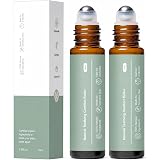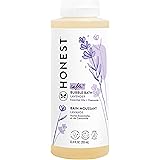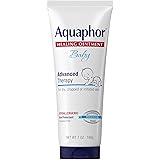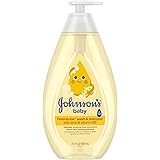

Are you navigating the often-confusing world of baby skincare, searching for products that truly nurture your little one’s delicate skin? The accompanying video succinctly highlights the importance of choosing a gentle and natural approach to baby care. Understanding the science behind organic baby skincare can provide immense peace of mind, ensuring you make the best choices for your child’s well-being right from the start. We often hear about organic solutions; however, grasping their specific benefits for sensitive infant skin is crucial for informed parenting.
Understanding Your Baby’s Exceptionally Delicate Skin
A baby’s skin is remarkably different from an adult’s, making it significantly more susceptible to environmental factors and harsh ingredients. Their skin barrier is approximately 30% thinner, offering less protection against irritants, bacteria, and allergens. This increased permeability means that anything applied to their skin can be absorbed more readily into their tiny bodies. Consequently, selecting products specifically formulated for sensitive baby skin, free from harsh chemicals, becomes an absolute priority for many parents.
Furthermore, an infant’s skin is still developing its natural protective mechanisms, including its acid mantle. This thin, slightly acidic layer acts as a vital shield against pathogens and excessive moisture loss. Maintaining this natural balance is paramount for preventing common skin issues such as dryness, eczema, and diaper rash. Studies show that approximately 20% of infants experience eczema, often exacerbated by unsuitable skincare products. Therefore, every ingredient matters when it comes to supporting healthy skin development.
The Science Behind pH 5.5 for Baby Skin Protection
The concept of pH balance is fundamental to maintaining healthy skin, especially for newborns. The video emphasizes a “perfect pH 5.5 formula,” which aligns with the natural acidity of a healthy adult and infant skin. pH stands for “potential of hydrogen,” measuring how acidic or alkaline a substance is on a scale from 0 to 14. A pH of 7 is neutral, while anything below is acidic and anything above is alkaline.
Your baby’s skin naturally maintains a slightly acidic pH, typically between 4.5 and 5.5, which forms the aforementioned acid mantle. This slightly acidic environment discourages the growth of harmful bacteria and fungi, providing an optimal setting for beneficial skin flora. Conversely, using products with a higher, more alkaline pH can disrupt this delicate balance, stripping away natural oils and compromising the skin barrier. Research indicates that maintaining an acidic skin surface is key to preventing dryness and irritation in infants, showcasing the protective role of a pH 5.5 formulation.
Embracing the Power of Plant-Based Ingredients for Infants
Opting for plant-based ingredients in baby skincare offers a natural and gentle alternative to synthetic chemicals. The video highlights two powerful natural components: plant-based squalane and ceramide. These ingredients work synergistically to protect and nourish your baby’s sensitive skin, providing benefits that are both effective and gentle. Understanding their individual roles can help parents appreciate the comprehensive care these natural elements provide.
Squalane’s Gentle Embrace for Delicate Skin
Plant-based squalane, often derived from healthy olives as mentioned in the video, is a highly effective emollient and moisturizer. It is a stable form of squalene, a natural lipid found in the skin’s sebum. This remarkable ingredient is renowned for its exceptional compatibility with human skin, making it an ideal choice for sensitive baby skin. Squalane helps to gently cover and moisturize the skin, mimicking its natural oils without feeling heavy or greasy.
Unlike some heavier oils, plant-based squalane is non-comedogenic, meaning it won’t clog pores, which is particularly beneficial for preventing minor skin irritations in babies. Its ability to form a soft, protective barrier on the skin’s surface helps to prevent moisture loss, keeping baby’s skin soft and supple throughout the day. Studies on emollients often highlight the role of natural lipids like squalane in restoring skin barrier function, crucial for infants with developing skin.
Ceramide for Enhanced Skin Barrier Health
Ceramides are crucial lipids naturally present in the skin’s outer layer, playing a pivotal role in maintaining the skin barrier’s integrity. The video mentions “plant-based ceramide” as a key component in “Organic Ground” products. These vital lipids act like the mortar between bricks, holding skin cells together and preventing excessive water loss, thereby keeping the skin hydrated and healthy. A deficiency in ceramides can lead to a compromised skin barrier, resulting in dryness, irritation, and increased vulnerability to environmental stressors.
Incorporating plant-based ceramides into your baby’s daily skincare routine helps to reinforce this essential barrier, making their sensitive skin more resilient. By bolstering the skin’s natural defenses, ceramides help protect against common irritants and allergens, contributing to a healthy and comfortable experience for your baby every single day. Research consistently supports the use of ceramide-containing products for improving skin barrier function and reducing symptoms of conditions like atopic dermatitis in infants.
Purity from the Ground Up: The “Clean Land” Promise in Organic Skincare
The statement in the video, “started from the land has been keeping clean for three years,” underscores a fundamental principle of truly organic baby skincare: the source matters. This commitment to purity means that the raw ingredients are cultivated in environments free from pesticides, herbicides, and other harmful chemicals. Such stringent agricultural practices ensure that the foundational elements of your baby’s skincare products are as unadulterated as possible. This meticulous sourcing helps eliminate potential irritants even before they reach the manufacturing process.
Choosing products derived from carefully maintained, clean land offers parents a significant layer of assurance regarding product safety and efficacy. It reflects a dedication to sustainable and ethical practices that benefit not only your baby but also the environment. The focus on unrefined pure oil, as mentioned, further signifies a minimal processing approach, retaining the natural beneficial properties of the ingredients. This holistic approach ensures that what touches your baby’s skin is wholesome and protective, fostering overall skin health.
Building a Healthy Daily Routine for Your Baby’s Skin
Establishing a consistent daily routine is essential for maintaining your baby’s skin health, as highlighted in the video. Regular, gentle care can prevent many common skin issues and provide opportunities for bonding. Integrating effective organic baby skincare products into this routine ensures that every step contributes positively to their well-being. A structured approach helps protect their delicate skin from daily environmental exposures and maintains its natural balance effectively.
Gentle Cleansing Practices
Bathing your baby daily is not always necessary and can sometimes strip their skin of natural oils, especially in the newborn phase. However, when bathing, use lukewarm water and a mild, pH-balanced, organic cleanser specifically designed for infants. Keep bath times short, typically no longer than five to ten minutes, to prevent excessive dryness. Gently pat their skin dry with a soft towel after the bath, avoiding any harsh rubbing. This careful approach helps to preserve their skin’s natural moisture barrier.
Consistent Moisturization
Moisturizing is perhaps the most critical step in any baby skincare routine, particularly after bathing when the skin is still slightly damp. Apply an organic, plant-based moisturizer, like those containing squalane and ceramides, all over your baby’s body. This locks in moisture and reinforces the skin’s protective barrier, preventing dryness and discomfort. Consistent application, at least once or twice daily, contributes significantly to soft, supple, and healthy skin. It is beneficial to choose a formulation like “Organic Ground” that is specifically designed for sensitive baby skin.
Protecting from External Elements
Beyond cleansing and moisturizing, protecting your baby’s skin from environmental factors is vital. This includes shielding them from harsh winds, extreme cold, and direct sunlight, especially during peak hours. Dress your baby in soft, breathable clothing made from natural fibers, which helps to prevent irritation and allows their skin to breathe. Always consider testing new products on a small patch of skin first to check for any sensitivities, even with organic options, as individual reactions can vary. Implementing these gentle practices ensures optimal skin health from the very beginning.
From the Ground Up: Your Organic Baby Skincare Q&A
Why is baby’s skin so delicate compared to adult skin?
A baby’s skin barrier is approximately 30% thinner than an adult’s, making it more susceptible to irritants and environmental factors. Their skin also has a developing natural protective layer, called the acid mantle.
What is pH 5.5, and why is it important for baby skin?
pH 5.5 is the slightly acidic balance that healthy baby skin naturally maintains, creating a protective ‘acid mantle’. This helps prevent harmful bacteria growth and keeps the skin hydrated and healthy.
What are squalane and ceramide, and how do they help baby skin?
Plant-based squalane is a gentle moisturizer that mimics natural skin oils, helping to keep skin soft and prevent moisture loss. Ceramides are lipids that hold skin cells together, strengthening the skin’s barrier and preventing dryness.
What does ‘organic’ mean for baby skincare ingredients?
For baby skincare, ‘organic’ often means the raw ingredients are grown in clean environments free from pesticides and harmful chemicals. This commitment to purity ensures the products are as gentle and natural as possible for sensitive skin.