
There’s a special kind of delight and a touch of apprehension that often accompanies bathing a newborn for the first time. It’s a dance of gentle movements, warm water, and the softest touches. Just as you saw in the video above, highlighting a simple yet effective tool, a **newborn silicone shampoo brush** can transform this essential routine from a potentially slippery struggle into a calm, bonding experience. Imagine trying to wash a tiny, delicate head with just your fingertips; it’s a bit like trying to paint a masterpiece with a broom – possible, but far from ideal.
For many new parents, the bath can feel like navigating uncharted waters. You want to be thorough but incredibly gentle, ensuring your baby’s delicate skin is protected. This is precisely where specialized tools come into play, offering a level of care and precision that traditional methods often miss. The right tools, coupled with a calm approach, can truly elevate bath time, making it a soothing ritual for both parent and child, fostering an environment of comfort and trust.
Why a Gentle Touch is Essential for Your Baby’s Delicate Skin
A newborn’s skin is remarkably different from an adult’s, often described as five times thinner and more permeable. This means it’s far more susceptible to irritation, dryness, and environmental factors. Their skin barrier, which is designed to protect against external aggressors, is still developing, leaving them vulnerable to chemicals and harsh friction. Thinking of their skin as a nascent fortress, we realize the importance of using only the gentlest cleansers and tools to support its development rather than compromise it.
Furthermore, an infant’s scalp can be particularly sensitive, especially around areas like the fontanelle, the soft spots where the skull bones haven’t fully fused. While these areas are more robust than they appear, the thought of scrubbing them can be daunting. This sensitivity underscores the need for a cleansing method that can effectively remove dirt and flakes without any harshness. Using a gentle approach helps maintain the natural pH balance of their skin, which is crucial for preventing common conditions like eczema and dryness, paving the way for healthy skin development.
Understanding the Unique Needs of Infant Scalp Care
Beyond general skin sensitivity, a newborn’s scalp has its own specific needs. Many infants experience cradle cap, a common and harmless condition characterized by greasy, scaly patches on the scalp. While it typically resolves on its own, gentle removal can be helpful, and rough scrubbing can exacerbate the condition. The challenge lies in finding a method that is effective for cleansing and loosening these scales without irritating the baby’s scalp or hair follicles, which are still quite fine and delicate.
The scalp also produces natural oils (sebum) that can accumulate, especially in babies who spend a lot of time lying down. Regular, gentle cleansing is important to prevent buildup and keep the scalp healthy, but excessive washing or harsh products can strip these protective oils. A balanced approach is key, ensuring the scalp is clean without being overly dry or irritated. This thoughtful care contributes not only to immediate comfort but also to the long-term health of your baby’s skin and hair, establishing good hygiene habits from the very beginning.
Unpacking the Benefits of a Newborn Silicone Shampoo Brush
The **newborn silicone shampoo brush** isn’t just another baby gadget; it’s a thoughtfully designed tool that addresses several common challenges in infant hygiene. Its soft, flexible bristles are made from medical-grade silicone, ensuring they are hypoallergenic and free from harsh chemicals. Unlike traditional sponges or washcloths, silicone resists bacteria buildup, offering a more hygienic option for your little one’s delicate scalp. This small but mighty tool acts like a gentle massage therapist for their head, soothing and cleaning simultaneously.
One of its primary advantages is its effectiveness in managing cradle cap. The soft bristles can gently lift and remove flakes without scratching or irritating the scalp, making it a safer alternative to using fingernails or coarser brushes. Regular use can help prevent cradle cap from forming in the first place by keeping the scalp clean and lightly exfoliated. It’s like tending to a tiny garden, where careful cultivation leads to healthy growth, rather than letting weeds take over.
Gentle Cleansing and Scalp Stimulation
Beyond cradle cap, the **baby silicone brush** provides a superior cleansing experience compared to simply using your hands. It can more effectively distribute baby shampoo and gently work it into a lather, reaching all areas of the scalp and hair, even in babies with a surprisingly thick head of hair. The gentle massaging action not only feels good to the baby but also stimulates blood circulation to the scalp, which some believe can promote healthy hair growth. This stimulating touch can be a delightful sensation for your infant, turning bath time into a sensory exploration.
This gentle stimulation also makes bath time more engaging for your baby. The soft, soothing motions can help them relax and enjoy the experience, transforming a routine task into a cherished moment of connection. For many parents, this translates into a calmer baby during baths and, hopefully, a smoother transition to bedtime. It’s an investment in both hygiene and happiness, reinforcing the idea that baby care can be both practical and profoundly tender, creating lasting positive associations with water and cleansing rituals.
How to Use Your Baby Silicone Brush Safely and Effectively
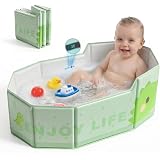
Using a **newborn silicone shampoo brush** effectively is straightforward, but a few key steps can ensure maximum safety and comfort for your baby. First, always ensure the bath water is at a comfortable, warm temperature—around 98-100 degrees Fahrenheit (37-38 degrees Celsius)—and check it with your elbow or a bath thermometer. Once your baby is safely in the tub, apply a small amount of pH-balanced baby shampoo to your baby’s wet hair or directly onto the brush. A pea-sized amount is usually sufficient, as newborns don’t typically need much.
With the shampoo applied, gently massage your baby’s scalp using the **infant shampoo brush** in small, circular motions. Pay special attention to areas prone to cradle cap, but always be incredibly gentle around the fontanelles, those soft spots on the head. There’s no need to apply significant pressure; the soft silicone bristles do the work. Rinse thoroughly, ensuring no shampoo residue is left behind, as this can irritate sensitive skin. Always keep a firm, secure grip on your baby throughout the entire bath, remembering they are often slippery when wet, much like a tiny fish, requiring your full attention.
Beyond the Brush: Creating a Soothing Baby Bath Time Routine
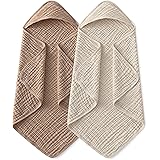
While the **newborn silicone shampoo brush** is an excellent tool, it’s just one component of a holistic, soothing baby bath time routine. Before your baby even touches the water, ensure all your supplies are within arm’s reach: a soft towel, a clean diaper, fresh clothes, and any lotions or oils you plan to use. This preparation prevents you from having to step away from your baby, ensuring their safety and your peace of mind. Creating a warm, calm environment with soft lighting and perhaps gentle music can also significantly enhance the experience, signaling to your baby that it’s time to relax.
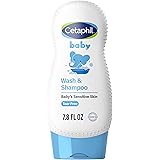
Choosing the right baby bath products is equally important. Opt for fragrance-free, hypoallergenic, and tear-free shampoos and body washes specifically formulated for newborns. Products with harsh chemicals or strong scents can irritate delicate skin and eyes. After the bath, gently pat your baby dry with a soft towel, paying attention to skin folds to prevent moisture buildup. Following up with a gentle, moisturizing baby lotion can help lock in hydration and keep their skin supple, making bath time a truly nourishing experience from start to finish.
Making Bath Time a Bonding Experience
More than just cleansing, bath time offers a precious opportunity for bonding and connection. The warmth of the water, your gentle touch, and the undivided attention you give can strengthen the parent-child bond. Use this time to talk, sing, or simply make eye contact with your baby, creating a joyful, sensory experience. It’s a chance to connect on a deeper level, away from the distractions of daily life, much like sharing a quiet, intimate moment over a warm cup of tea.
Even if your baby initially protests, persistence with a calm and consistent approach often yields positive results. Many babies eventually come to love bath time, finding comfort in the routine and the feeling of the warm water. Remember to prioritize safety above all else, never leaving your baby unattended in the bath, even for a second. By combining practical tools like the **newborn silicone shampoo brush** with thoughtful preparation and loving interaction, you can cultivate a bath time ritual that is beneficial, enjoyable, and deeply bonding for both you and your little one.
Brush Up on Your Knowledge: Your Newborn Silicone Shampoo Brush Q&A
What is a newborn silicone shampoo brush?
It’s a bathing tool made with soft, flexible medical-grade silicone bristles, specifically designed to gently cleanse a newborn’s delicate scalp. It aims to make bath time safer and more hygienic for infants.
Why is it important to be gentle when bathing a newborn?
A newborn’s skin is five times thinner and more permeable than an adult’s, with a developing protective barrier. This makes their skin highly susceptible to irritation, dryness, and harsh friction.
Can this brush help with cradle cap?
Yes, the soft silicone bristles can gently lift and remove the flaky patches of cradle cap without scratching or irritating your baby’s sensitive scalp. Regular use can also help prevent cradle cap from forming.
How do I use the newborn silicone shampoo brush?
First, ensure the bath water is warm, then apply a small amount of baby shampoo to your baby’s wet hair or directly to the brush. Gently massage the scalp in small, circular motions, being careful around soft spots, and then rinse thoroughly.