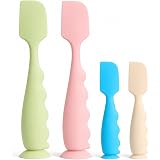

The journey of feeding a baby is often filled with joy, discovery, and, undeniably, a fair share of mess. Many parents can recount tales of pureed peas launching across the kitchen or applesauce artfully smeared on tiny faces, high chairs, and even walls. Such moments, while endearing in retrospect, can present practical challenges, especially when on the go or striving for a tidy feeding experience. The video above visually demonstrates a contemporary solution designed to mitigate these very issues: the innovative baby bottle spoon.
This accessory is more than just a novelty; it represents an evolution in infant feeding tools, addressing common pain points with ingenious design. The integration of a feeding spoon directly with a squeezable bottle mechanism streamlines the process, transforming a potentially chaotic mealtime into a far more controlled and hygienic endeavor. Its utility becomes particularly apparent during the critical transition to solid foods, a phase often referred to as weaning, where convenience and mess reduction are paramount considerations for caregivers.
Understanding the Mechanics of a Baby Bottle Spoon
A baby bottle spoon is essentially a hybrid feeding device, combining the best attributes of a traditional baby bottle with a soft-tipped spoon. Typically, the body of the device is constructed from food-grade silicone, which offers both durability and a squeezable quality, facilitating controlled food dispensing. The reservoir portion, designed to hold pureed foods, mashes, or even thinner cereals, is ergonomically shaped for a comfortable grip by an adult.
At the apex of this reservoir, a spoon attachment is affixed. This spoon, often also made of soft silicone, is gentle on an infant’s developing gums and teeth, crucial for early feeding stages. The design ensures that as the bottle’s body is gently compressed, a measured amount of food is dispensed directly onto the spoon, ready for the baby. This precise control is a significant advantage, minimizing waste and preventing the common overfilling that can lead to spills with traditional spoon-feeding.
Key Design Considerations and Material Choices
The manufacturing of these specialized feeding tools places a high emphasis on safety and functionality. Food-grade silicone is the material of choice for the bottle body and spoon tip, owing to its inert properties, resistance to high temperatures (important for sterilization), and pliability. Furthermore, these materials are routinely selected to be free from BPA, PVC, phthalates, and other potentially harmful chemicals, aligning with stringent safety standards for infant products.
Ergonomic considerations extend beyond just the adult’s grip; the spoon’s size and shape are meticulously designed to fit a baby’s mouth comfortably, promoting proper oral development. Some models incorporate features like a protective cap for the spoon, ensuring hygiene when traveling or storing. Flow control mechanisms are also sometimes integrated, allowing for adjustment of the food’s release rate, which can be critical when feeding different consistencies of purees or catering to varying infant feeding paces.
The Undeniable Advantages of Integrating a Baby Bottle Spoon into Feeding Routines
The adoption of a baby bottle spoon offers a multitude of benefits that address common challenges faced by parents during the crucial period of introducing solids. These advantages range from practical aspects like mess management to more subtle benefits related to convenience and hygiene. The streamlined approach to feeding helps in creating a more positive experience for both caregiver and child.
Mess reduction is arguably the most immediate and appreciated benefit. By containing the food within the bottle and dispensing it directly onto the spoon in controlled portions, the likelihood of spills, drips, and widespread food dispersion is drastically reduced. This makes clean-up significantly easier, saving valuable time and effort for busy parents. Moreover, this controlled feeding environment can help babies focus on the act of eating without excessive distractions from food mess.
Enhanced Portability and On-the-Go Convenience
For families with active lifestyles, the portability of a baby bottle spoon is a game-changer. Carrying a separate bowl, spoon, and container of baby food can be cumbersome and prone to spills. This integrated feeding solution consolidates everything into a single, self-contained unit, making it ideal for outings, travel, or quick feeds away from home. Simply fill the bottle with the desired puree, cap the spoon, and it is ready to be utilized at a moment’s notice.
The design also promotes better hygiene. With the food enclosed within the bottle, it is less exposed to airborne contaminants compared to an open bowl. The ability to dispense food directly onto the spoon without repeated dipping into a communal container further enhances the sanitary aspect of feeding, which is a significant concern for infant health. A clean feeding process contributes to a healthier baby and greater peace of mind for parents.
Optimal Scenarios for Utilizing Baby Bottle Spoons
While a baby bottle spoon can be a valuable tool in almost any feeding situation, certain scenarios particularly highlight its utility and design efficacy. These specialized applications often leverage the device’s inherent convenience and mess-free characteristics, making daily routines smoother and more enjoyable for everyone involved in infant care.
Travel is an obvious prime candidate for this feeding accessory. Whether embarking on a long road trip, a flight, or even just a day out at the park, the compact and contained nature of the baby bottle spoon makes feeding a baby incredibly manageable. There is no need for multiple containers or the stress of finding a clean surface to prepare food; simply grab the pre-filled bottle, and feeding can commence anywhere, anytime. Its robust construction typically ensures food remains securely stored.
Facilitating Quick Feeds and Introduction to Solids
For those quick feeding moments at home, perhaps between naps or before a doctor’s appointment, the baby bottle spoon offers unparalleled efficiency. It eliminates the need to set up a full feeding station, making it possible to provide a nutritious meal or snack in minimal time with minimal fuss. This can be particularly helpful when a baby is showing immediate hunger cues and a caregiver needs to respond swiftly.
Furthermore, this innovative tool can play a supportive role in the early introduction of solids. As infants transition from liquid diets to pureed foods, they are also developing crucial oral motor skills. The soft silicone spoon provides a gentle and familiar sensation, and the controlled dispensing allows caregivers to introduce new textures and tastes gradually. This controlled exposure helps in assessing a baby’s acceptance of different foods without overwhelming them with large portions, thereby promoting a positive association with solid food consumption.
Selecting the Right Baby Bottle Spoon for Your Infant
The market presents a variety of baby bottle spoon options, each with subtle differences in design and features. Making an informed choice involves considering several factors that contribute to the device’s safety, ease of use, and overall effectiveness. An optimal selection ensures the feeding accessory meets both the infant’s needs and the caregiver’s practical requirements.
Material quality remains paramount; always ensure the product is made from 100% food-grade silicone, free from undesirable chemicals. Capacity is another important consideration; bottles range in size, so selecting one that aligns with the typical portion sizes consumed by your baby will be beneficial. Larger capacities might be better for older infants consuming more substantial meals, while smaller ones are perfect for taste tests or smaller snacks.
Features for Enhanced Functionality and Cleaning
Examine the flow control mechanism; some baby bottle spoons offer adjustable flow rates, which can be invaluable for different food consistencies. A wider opening for filling the bottle can significantly ease the process of adding purees, especially thicker ones, and also simplifies cleaning. Assess the spoon tip’s design: is it adequately soft for tender gums, and is its shape conducive to easy scooping and mouth entry?
Ease of cleaning is a crucial practical aspect. Products that can be easily disassembled and are dishwasher-safe will save significant time and effort. Hygiene is non-negotiable in infant feeding, so any feature that simplifies sterilization and thorough cleaning should be prioritized. Ultimately, the right baby bottle spoon will seamlessly integrate into daily feeding routines, offering a dependable, mess-free solution for introducing solids to infants.
Scoop of Knowledge: Your Bottle Spoon Feeding Q&A
What is a baby bottle spoon?
A baby bottle spoon is a feeding device that combines a squeezable bottle with a soft spoon attached. It’s designed to hold pureed foods and dispense them directly onto the spoon for mess-free feeding.
What are the main benefits of using a baby bottle spoon?
The main benefits include significantly reducing mess during feeding, offering enhanced portability for on-the-go meals, and promoting better hygiene by keeping food contained.
When is a baby bottle spoon most useful?
It’s particularly useful for feeding babies while traveling, for quick meals at home, and when introducing solid foods to an infant for the first time.
What materials are baby bottle spoons typically made from?
They are usually made from 100% food-grade silicone, which is durable, resistant to high temperatures for sterilization, and free from harmful chemicals like BPA.