
There’s a unique mix of joy and apprehension that comes with caring for a newborn. One moment, you’re gazing at their tiny features, utterly in love; the next, you’re wrestling with the logistics of something as seemingly simple as a bath. Many parents confess that washing a baby’s head, especially the first few times, can feel like a high-stakes balancing act. The slippery skin, the delicate fontanelle, the potential for tears – it’s enough to make anyone a little nervous. But what if there was an easy baby head bath method that transformed this task from a chore into a cherished bonding moment? The video above offers a glimpse into a smooth routine, and we’re here to expand on those gentle techniques, ensuring every parent feels confident and capable.
Understanding Your Baby’s Delicate Head
Before diving into the mechanics of washing, it helps to appreciate the unique anatomy of an infant’s head. Unlike an adult’s skull, a baby’s skull isn’t fully fused. There are soft spots, known as fontanelles, which are areas where the skull bones haven’t yet grown together. These areas allow for brain growth and passage through the birth canal. While they might feel fragile to the touch, they are covered by a thick, protective membrane. Understanding this structure helps demystify the process and build confidence when washing baby’s head.
Equally important is recognizing the nature of a baby’s scalp. It’s often sensitive, prone to dryness, or even conditions like cradle cap. The skin barrier is still developing, making it more permeable and susceptible to irritants. This is why choosing the right products and techniques for infant head bath is not just about cleanliness, but also about protecting their delicate skin and fostering a positive experience.
Setting the Scene: Preparing for a Gentle Baby Head Wash
Think of bath time as a miniature spa session for your baby. Preparation is key to ensuring a calm and successful experience. Just as a chef gathers ingredients before cooking, a parent should assemble all necessary supplies before the water even touches the tub. This prevents frantic searches mid-bath and keeps your focus entirely on your little one.
Gathering Your Baby Bath Essentials
- Baby Bathtub or Sink Insert: Provides a secure and comfortable spot for your infant.
- Soft Washcloths: Dedicate separate ones for body and head.
- Tear-Free Baby Shampoo: Opt for pH-balanced formulas designed for newborns. Harsh chemicals can strip natural oils.
- Lukewarm Water: Test with your elbow or a thermometer (around 90-100°F or 32-38°C). Too hot or too cold can shock them.
- Large, Soft Hooded Towel: For immediate post-bath warmth and comfort.
- Cotton Balls or Swabs: Optional, for gently cleaning outer ears or around the eyes (avoiding inside).
- Clean Diaper and Outfit: Ready for dressing immediately after.
Creating a Calming Environment
The atmosphere can significantly impact how your baby perceives bath time. A warm room (around 75-80°F or 24-27°C) is crucial to prevent chills. Low lighting, soft music, or a calm voice can also help soothe a fussy baby. Just as a comfortable temperature makes a swim more inviting for us, it makes the washing baby’s head process more pleasant for them.
The Step-by-Step Easy Head Bath Method for Baby
Once everything is prepared, the actual washing can begin. Remember, slow and steady wins the race when it comes to infant hygiene. Approach it with confidence, as your calm demeanor will naturally transfer to your baby.
Secure Hold and Positioning
Before any water touches their head, ensure your baby is held securely. You might cradle them in one arm, with their head supported near your elbow and your hand under their armpit, leaving your other hand free for washing. Alternatively, if using a baby tub, ensure they are reclined comfortably with proper head and neck support. The goal is to keep their body submerged in warm water while their head is accessible but still protected.
Wet, Lather, Rinse: The Gentle Approach
Think of this process like watering a delicate plant – you wouldn’t douse it with a fire hose. Instead, you’d use a gentle stream. For your baby’s head:
- Gentle Wetting: Using a wet washcloth, gently dampen your baby’s hair and scalp. Avoid pouring water directly over their head, which can be startling. You can also cup your hand over their forehead to create a barrier, preventing water from running into their eyes.
- Apply Shampoo Sparingly: Squirt a tiny amount of tear-free baby shampoo into your hand, not directly onto their head. Lather it between your palms, then gently massage it into your baby’s scalp using small, circular motions with your fingertips. Be especially gentle around the fontanelles.
- Rinsing with Care: Use your wet washcloth, wrung out slightly, to wipe the shampoo away. You can also cup your hand and use small amounts of clean bath water to rinse. Again, avoid direct pouring and use your hand as a shield for their eyes and face. Ensure all shampoo is rinsed out to prevent skin irritation.
Beyond the Wash: Drying and Aftercare
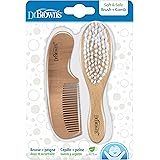
The moment they emerge from the water, babies lose heat rapidly. Having a warm, soft hooded towel ready is crucial. Wrap your baby snugly and gently pat their head dry. Resist rubbing vigorously, which can irritate their delicate scalp or tangle fine hair. If your baby has cradle cap, you can gently brush their scalp with a soft baby brush after drying to loosen flakes, but never pick at them.
After their head is dry, you might apply a tiny amount of baby-safe moisturizer if their skin seems dry, particularly in colder climates. This helps to maintain their skin’s barrier and keep it supple. Dressing them quickly in warm, clean clothes completes the experience, ensuring they remain cozy and content.
Addressing Common Worries About Washing Baby’s Head
It’s natural to have concerns, but most are easily manageable with a few tips:
My Baby Cries During Baths!
Some babies simply don’t enjoy the water initially. Try making bath time a consistent routine, perhaps at the same time each day. Ensure the water temperature is perfect and the room is warm. Singing songs, talking gently, or introducing a bath toy can also help distract and soothe them. Sometimes, a quick wash is better than a prolonged struggle.
What About Getting Water in Their Eyes or Ears?
Using a washcloth for wetting and rinsing instead of direct pouring significantly reduces this risk. When rinsing, lean your baby’s head back slightly (if safe and comfortable in their bath setup) or use your cupped hand to create a barrier over their forehead. For ears, gently wipe around the outer ear with a soft washcloth; never insert anything into the ear canal.
How Often Should I Wash My Baby’s Head?
Newborns don’t need daily baths. Two to three times a week is often sufficient, with spot cleaning in between. However, if your baby has cradle cap or particularly oily hair, more frequent head washing might be recommended by your pediatrician.
Mastering the easy baby head bath method isn’t just about cleanliness; it’s about building a foundation of comfort and trust. With practice, patience, and the right approach, this routine can become a cherished part of your parenting journey, leaving your little one fresh, clean, and ready for cuddles.
Washing Away Your Worries: Easy Baby Head Bath Q&A
What are the soft spots on my baby’s head?
These soft spots are called fontanelles, areas where the skull bones haven’t fully fused yet. They are covered by a thick, protective membrane and allow for brain growth.
What essential items do I need for a baby’s head bath?
You’ll need a baby bathtub or sink insert, soft washcloths, tear-free baby shampoo, lukewarm water, and a large, soft hooded towel for drying.
What is the ideal water temperature for bathing my baby’s head?
The bath water should be lukewarm, ideally between 90-100°F (32-38°C). Always test the water with your elbow or a thermometer to ensure it’s comfortable.
How often should I wash my newborn’s head?
Newborns generally don’t need daily head baths; two to three times a week is often sufficient. You can do spot cleaning as needed between full washes.