
Preparing for a new arrival is an incredibly exciting journey, and as you might have seen in the accompanying video, the nesting phase truly ignites a special kind of energy. This period is dedicated to transforming your home into a welcoming haven for your baby while also ensuring your own comfort and recovery postpartum. Getting organized and setting up essential baby gear before your little one arrives can significantly reduce stress and allow you to fully embrace those precious early days.
The sentiment expressed in the video, realizing a baby could arrive at any moment, perfectly captures the sudden urgency many expectant parents feel. Approaching 36 weeks pregnant, the focus often shifts dramatically from theoretical planning to immediate action. This critical stage, often termed “nesting,” is more than just tidying; it becomes an instinctual drive to create a safe, organized, and loving environment, much like a bird carefully preparing its nest.
Mastering Nursery Organization: Every Item in Its Place
Creating an intuitively organized nursery is foundational for smooth daily routines with a newborn. Think of it as developing a streamlined operational hub, where every item has a designated home. This strategic setup minimizes frantic searches for necessities, especially during those bleary-eyed, middle-of-the-night changes. An effective nursery organization plan provides a sense of calm and control, which is invaluable for new parents navigating a new chapter.
Strategic Dresser Setup: Diapers, Onesies, and Accessories
A baby’s dresser often doubles as a changing station, making its organization paramount. Consider dedicating the top drawer to immediate changing needs like diapers and wipes, ensuring they are always within arm’s reach. The middle drawers can house frequently used clothing items, such as newborn and 0-3 month onesies and sleepers, keeping them easily accessible. Lower drawers or closet bins are ideal for larger clothing sizes, extra crib sheets, and thicker blankets, effectively compartmentalizing your baby’s wardrobe.
The video highlighted an effective strategy by mapping out specific items for each drawer—diapers, accessories, onesies, and blankets. This thoughtful approach, allowing for future adjustments, acts like a dynamic blueprint for evolving needs. Grouping similar items, such as all medical supplies or all accessories, creates logical stations within the dresser itself. For example, keeping nail filers alongside other small grooming tools ensures everything needed for a quick touch-up is consolidated.
Closet Clarity: Hanging Versus Folding for Baby Clothes
Organizing a baby’s closet can feel like navigating a tiny fashion boutique, especially with the abundance of adorable matching sets. Deciding what to hang versus what to fold greatly optimizes space and visibility. Onesies and sleepers often store well in dresser drawers, while full outfits, dresses, or delicate items benefit from being hung. Utilizing small baby hangers, as demonstrated in the video, maximizes vertical space and keeps garments wrinkle-free, ready for wear.
Innovative solutions, such as clip hangers for matching tops and bottoms, streamline outfit selection and prevent separation. This clever trick keeps coordinated pieces together, saving precious time when dressing a wriggly baby. Closet dividers, categorized by size or garment type, act as signposts in a bustling wardrobe, making it simple to locate the correct size as your baby grows. These small additions transform a potentially chaotic closet into an organized, functional space, simplifying your daily routine significantly.
The Power of Organizers: Cube Bins, Drawer Dividers, and Labels
Effective organization hinges on the right tools, and for a nursery, cube bins, drawer dividers, and a label maker are indispensable. Cube bins, available in various sizes and shapes, slide neatly into shelves or cubbies, concealing clutter while keeping items categorized. Drawer dividers, like small internal fences, prevent socks from mixing with hats, maintaining order within each compartment. The speaker’s use of a label maker, a simple yet powerful tool, adds a professional touch, ensuring everyone knows where things belong.
Labels, whether for dresser drawers or closet bins, eliminate guesswork and promote consistency in organization, much like road signs guiding a traveler. Investing in a few sets of baby hangers ensures your little one’s wardrobe has proper support, preserving the shape of their tiny garments. These practical organizing solutions, widely available and affordable, serve as the backbone of a well-ordered nursery. They transform a jumbled collection of baby items into an accessible, visually appealing system.
Essential Baby Gear: Setting Up Key Stations
Beyond clothes and diapers, setting up dedicated stations for feeding, changing, and playing is crucial for a smooth transition into parenthood. These stations act like mini command centers, each equipped with everything necessary for specific tasks. Thoughtful placement and preparation of these areas save time and energy, allowing parents to focus more on their baby and less on scrambling for supplies.
The Changing Station Hub: Pad, Pail, and Sound Machine
The changing station will quickly become one of the most frequently visited spots in your nursery. A comfortable and easy-to-clean changing pad, such as the Keekaroo, offers a hygienic surface for countless diaper changes. Positioned atop the dresser, it creates an ergonomic workspace, minimizing strain on your back. The choice of a diaper pail, like the sleek Ubbi model, is also significant, with parents often weighing factors like odor control, ease of use, and aesthetic appeal. Choosing one that accommodates standard trash bags can also offer long-term cost savings.
Proximity is key at the changing station, so ensure that diapers, wipes, and diaper balms are readily at hand. Integrating a sound machine, like the Hatch, nearby provides a soothing ambiance during changes, potentially calming a fussy baby. This combination of functionality and comfort creates an efficient and pleasant environment for both parent and child. Consider adding a small basket or caddy with essential medical supplies, such as a nail file and thermometer, making it a comprehensive care spot.
Play and Development Zones: Bouncers and Play Mats
Creating distinct play zones within your home supports your baby’s development and provides engaging activities. A bouncer, such as the BabyBjorn model, offers a safe and comfortable spot for infants to observe their surroundings, often providing a gentle rocking motion that soothes them. These portable seats allow parents to keep their baby close, whether in the kitchen or living room, offering a brief hands-free moment.
Play mats, ranging from developmentally focused options like Lovevery to more affordable, sensory-rich choices like Fisher-Price, cater to different needs. The Lovevery play mat emphasizes natural materials and stimulating sensory experiences designed for various developmental stages, acting as a mini-gym for growth. Conversely, a Fisher-Price mat with lights and sounds offers immediate entertainment and stimulation, providing a different kind of engagement. Having one upstairs and one downstairs, as suggested, ensures continuous access to engaging play, adapting to different areas of the home.
Diaper Caddies: Your Portable Lifesavers
A well-stocked diaper caddy is akin to a mobile first-aid kit for diaper duty, making changes possible anywhere, anytime. The video highlights the versatility of the Parker Baby caddy, which is compact yet spacious enough for all essentials. Stocking one with diapers, wipes, and various diaper balms ensures you are prepared for unexpected messes, whether on the go or moving between rooms in your home. Having multiple caddies can be a game-changer, acting as essential outposts.
Consider placing one in the nursery, one by the bedside for nighttime changes, one in the living room for daytime convenience, and even one in the car for outings. This multi-location strategy means you’re never far from what you need, reducing stress and increasing efficiency. Remember to include small items like a nail file, a soft brush, and even small “poop bags” for discreet disposal of soiled diapers, especially when away from home. These caddies are simple additions that yield significant practical benefits.
Creating a Restful Retreat: Nursery Decor and Safety
A nursery is more than just a functional space; it’s a sanctuary for your baby’s sleep, growth, and development. Thoughtful decor choices, combined with essential safety considerations, create an environment that is both visually appealing and perfectly tailored for infant care. From window treatments to lighting, every element plays a role in fostering a calm and secure atmosphere for your newest family member.
Custom Window Treatments: The Blackout Advantage for Baby Sleep
Achieving optimal darkness in a nursery is paramount for establishing healthy sleep patterns, a vital component of infant development. Blackout curtains, like the custom options from TwoPages, effectively block out light, signaling to a baby that it is time for sleep, regardless of the time of day. This is particularly crucial for daytime naps, as even minimal light can disrupt a baby’s ability to fall and stay asleep. The speaker’s emphasis on their “work like a charm” quality highlights their effectiveness.
Pairing blackout curtains with cordless Roman shades, also from TwoPages, offers an added layer of light control and, importantly, enhanced safety. Cordless shades eliminate the hazard of dangling cords, which can pose a strangulation risk to infants and toddlers. Beyond safety, custom window treatments add significant character and elegance to the room, becoming a stylish focal point. Choosing durable, high-quality materials ensures longevity, making them a worthwhile investment that combines aesthetics with essential functionality.
Sentimental Touches and Practical Decor: Balancing Function and Heart
A nursery comes alive with personal touches that tell a story, transforming it from a mere room into a cherished space. Incorporating sentimental items, such as the music box from Paris mentioned in the video, infuses the room with warmth and history. These cherished pieces, while not always immediately interactive for a newborn, become meaningful heirlooms that can be enjoyed as the child grows. They add a layer of personal narrative, connecting the baby to family memories.
Practical decor, like decorative bookshelves with pegs for hanging outfits, merges beauty with utility. These thoughtful additions not only display adorable baby clothes but also offer convenient access for parents or even family members helping with care. Hanging a sweet bonnet or a small basket with flowers adds a delightful aesthetic without sacrificing functionality. Every decorative element can serve a dual purpose, making the nursery both beautiful and exceptionally livable for daily needs.
Lighting Solutions for Late-Night Care: Foot-Switch Lamps
Navigating nighttime feedings and diaper changes with minimal disruption is a skill every new parent quickly masters, and appropriate lighting plays a crucial role. A lamp equipped with a foot-switch extension cord, as innovatively highlighted in the video, allows for easy on/off control without needing to fumble for a toggle switch or reach across a sleeping baby. This simple modification can make a profound difference, providing just enough light for tasks without fully waking anyone.
Furthermore, an air purifier that doubles as a sound machine and night light offers a multi-functional solution for the nursery. The integrated sound machine can help mask household noises, promoting deeper sleep, while a gentle night light avoids overstimulation. Opting for a night light with adjustable colors, such as a soft red hue, can be particularly beneficial, as red light is less disruptive to sleep cycles than blue or white light. These thoughtful lighting choices create a tranquil environment, easing the demands of nighttime care.
Prioritizing Mama’s Comfort: The Postpartum Bedside Cart
The postpartum period demands focused attention on recovery and self-care, and a strategically organized bedside cart can be an absolute lifesaver for new mothers. This mobile command center keeps essential personal items and baby care necessities within arm’s reach, reducing the need to get up frequently. Creating this dedicated station, ideally with a sturdy metal cart that rolls easily, supports both physical recovery and mental well-being during a demanding time.
Building Your Personal Recovery Station
A postpartum bedside cart becomes a personalized sanctuary, designed to support the new mother’s every need. Selecting a durable metal cart, as demonstrated in the video, ensures stability and ease of movement, making it a reliable companion for various locations around the home. Filling the top shelf with a diaper caddy centralizes baby-changing supplies, allowing for quick, comfortable changes without leaving the bed. This setup is particularly invaluable in the early days when movement might be limited and rest is paramount.
The cart effectively compartmentalizes items for both mom and baby, creating a miniature ecosystem of care. Consider its placement within reach of your bed or a comfortable nursing chair, making hydration, pain relief, and baby essentials effortlessly accessible. This thoughtful preparation creates an environment where a new mother can focus on bonding with her baby and prioritizing her own healing, much like a well-stocked medical station in a recovery room.
Essential Supplies for Pumping and Feeding
For mothers who choose to breastfeed or pump, having all necessary equipment organized and accessible is crucial for success and comfort. Dedicate a shelf on the bedside cart to breast pumping supplies, including both a hands-free pump and a traditional breast pump, along with all their components. Ensuring these items are sterilized and ready to use prevents last-minute scrambling when engorgement strikes or a feeding is due. The speaker’s mention of sterilizing components underscores this critical preparation step.
Beyond the pumps, include nipple balms for soothing discomfort, silverettes for healing, and nursing pads to manage leaks, keeping everything clean and dry. A small container for snacks, an empty water bottle, and burp cloths should also find a home here. This consolidated approach transforms the act of feeding or pumping from a chaotic search into a calm, self-sufficient process. It’s like having a dedicated lactation support station right at your fingertips.
Hydration and Nourishment for New Moms
Postpartum recovery significantly increases a new mother’s need for hydration and nutrient-dense foods, especially if breastfeeding. Stocking the bedside cart with essential supplements like prebiotics and probiotics, prenatal vitamins (which many continue postpartum), and electrolyte packets is a simple way to support overall health. A stylish, insulated water bottle, as the speaker lovingly referred to as her “treat to myself,” encourages consistent water intake, a critical component of recovery.
The cart should also hold a variety of easily consumed, healthy snacks that require no preparation, such as protein bars, muffins, and dried fruit. These items provide quick energy boosts during frequent feedings and sleep deprivation. Think of this section of the cart as a mini-pantry designed for quick, nourishing access, ensuring that a mother can refuel her body without having to leave the comfort of her bed or nursing station. This deliberate attention to nutritional support aids in a quicker, more comfortable recovery period.
Bedside Setup for Newborn Care
Beyond personal recovery, the bedside cart provides a convenient spot for essential newborn care, particularly for nighttime changes. Including a portable changing mat allows for quick diaper changes directly on the bed, negating the need for a separate changing table in the bedroom. This is especially practical for girl babies, where the risk of unexpected sprays during changes might be less. A small selection of diaper balms—Earth Mama, Primally Pure, or Weleda—ensures you have options for your baby’s delicate skin, much like a triage kit for minor skin irritations.
The cart’s side pockets are perfect for small, frequently used items such as a baby nail file, a soft brush, and burp cloths. These tools allow for quick grooming and cleanup without disturbing the peaceful nighttime atmosphere. Having everything consolidated on the cart means you can tend to your baby’s needs efficiently and quietly, promoting a smoother transition back to sleep for everyone involved. This strategic arrangement simplifies those demanding overnight responsibilities, turning challenges into manageable moments.
The Dedicated Baby Bath Space: Streamlining Routine
Establishing a designated baby bath space makes bathtime a joyful and hygienic ritual rather than a stressful ordeal. Creating an organized and safe environment, whether in a shared bathroom or a dedicated space, ensures that all necessary items are within easy reach. This careful preparation turns bathing into a bonding experience, fostering a sense of security and routine for your newborn, much like a ritualistic cleansing that marks the end of the day.
Bathtub Essentials for Easy Cleanup and Safety
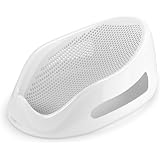
Selecting the right bath gear is fundamental for a smooth and safe bathtime. An affordable and easily removable baby bath seat, such as the Angelcare model, allows for flexible use of the main bathtub, catering to both baby’s needs and adult use. A bath toy scooper that hangs on the wall not only keeps toys organized but also ensures they dry properly, preventing mold and mildew growth. This simple tool streamlines cleanup, making it a quick and efficient process.
Safety accessories like a bath spout cover, especially a cute one, protect your baby from accidental bumps and scrapes. A rubber ducky thermometer provides a simple, visual cue for safe water temperature, preventing discomfort or burns. These small additions collectively transform the bathtub into a safe, clean, and enjoyable environment for your baby’s earliest splashes. They are like a series of gentle safeguards, ensuring peace of mind during a potentially slippery activity.
Gentle Skincare: Choosing Baby Bath Products
A baby’s skin is incredibly delicate and sensitive, making the choice of bath products critically important. Opting for fragrance-free formulas, as emphasized in the video, minimizes the risk of irritation and allergic reactions. Brands like Tubby Todd and Honest are often praised for their gentle, natural ingredients, providing effective cleansing without harsh chemicals. These products act as a protective layer for nascent skin, allowing it to develop naturally.
While some products may contain mild fragrances, carefully reviewing ingredient lists for known irritants is always advisable. Sticking to a “less is more” philosophy with newborn skincare often yields the best results, protecting their natural skin barrier. Having all bath products neatly arranged on a high shelf or caddy keeps them accessible during bathtime but safely out of reach of inquisitive little hands. This proactive approach to skincare ensures a soothing and safe cleansing experience.
Comfort for Parents: Kneeling Pads and Towel Organization
Bathtime often involves kneeling beside the tub, which can become uncomfortable without proper support. A thick memory foam bath mat or kneeling pad provides cushioning, offering much-needed relief for parents during these prolonged periods. This small comfort makes a significant difference, allowing parents to focus on their baby rather than their aching knees. It’s like having a soft landing pad for your dedication.
Installing wall hooks for baby towels, including soft muslin and regular cotton options, ensures they are dry and ready for immediate use post-bath. Organizing towels by the tub streamlines the drying process, wrapping your baby in warmth as soon as they emerge from the water. This efficient setup makes the entire bathtime routine, from preparation to cleanup, a more enjoyable and less strenuous experience for both parent and child. It’s the final flourish in creating a truly dedicated baby bath oasis.
Successfully navigating the nesting period is a significant milestone in your pregnancy journey, creating both practical benefits and a profound sense of readiness. By meticulously organizing the nursery, setting up essential baby gear, and preparing a postpartum recovery station, you are laying a strong foundation for the exciting days ahead. This comprehensive approach to baby preparation not only streamlines daily routines but also cultivates a calm and confident mindset as you anticipate welcoming your little one home.
Feathering Your Nest: Your Nursery & Decluttering Q&A
What is the ‘nesting’ phase for expectant parents?
The nesting phase is an instinctual drive felt by expectant parents to organize and prepare their home for the baby’s arrival. It helps reduce stress and ensures comfort for both the baby and the recovering parent postpartum.
Why is organizing the nursery important for new parents?
An organized nursery creates a streamlined space where every baby item has a designated home. This minimizes frantic searches for necessities during late-night changes and provides a sense of calm for new parents.
What is a diaper caddy and why should I use one?
A diaper caddy is a portable container stocked with essential diaper-changing supplies like diapers, wipes, and balms. It’s useful because it allows you to change diapers anywhere in your home or on the go without scrambling for supplies.
What is a postpartum bedside cart and why is it helpful for new moms?
A postpartum bedside cart is a mobile station kept near the mother’s bed, stocked with essential personal items and baby care necessities. It helps new mothers recover by keeping everything they need within arm’s reach, reducing the need to get up frequently.