
It is often reported that new parents accumulate more than 30 unique items for their newborns. Yet, only about 10 of these items are frequently used. This statistic highlights the common challenge new families face.
The accompanying video offers a concise guide to truly essential newborn products. It helps parents navigate the overwhelming world of baby gear. This article expands on those vital selections.
Our focus is on functional, essential items. These will support your baby’s first weeks and months. We aim to help you save money and reduce clutter.
Understanding Newborn Essentials: Less is Often More
A newborn’s needs are surprisingly simple. They require feeding, sleep, clean diapers, and security. Many products are marketed as “must-haves.” However, these often lead to unnecessary purchases.
Prioritizing key items creates a calmer home environment. It also helps manage a new family’s budget. Thoughtful choices are important.
1. The Essential Car Seat: Safety First
A car seat is not merely an essential item. It is a legal necessity for infant transportation. Hospital staff will verify proper installation. They ensure your baby’s safe journey home.
Infant car seats are typically designed for newborns. They often feature a separate base. This base remains installed in the car. The carrier can then be easily detached and carried. Always consult the car seat manual. Correct installation is paramount for safety. Local fire departments or hospitals often offer free car seat checks. An expiration date is also found on the car seat itself. This date must be respected.
2. Formula: A Prepared Backup Plan
Newborns often lose a percentage of their birth weight. This occurs in the first few days. It happens as the mother’s milk supply establishes. Doctors frequently recommend breastfeeding if possible. However, supplementing is sometimes necessary.
Having ready-to-use liquid formula on hand is wise. This can ensure the baby gains weight steadily. Powdered formula is generally not recommended for infants under six months. This is due to sterility concerns. A valuable tip is available: hospitals often provide free formula samples. Parents are encouraged to ask for some before discharge.
3. Bottles: Flexible Feeding Solutions
Bottles are crucial for formula or pumped breast milk delivery. Many new parents hesitate to buy bottles beforehand. This approach is often wise. Baby registries, like Amazon’s, frequently offer welcome boxes. These contain various sample bottles. This allows parents to test different brands. Babies often have strong nipple preferences.
Systems like Kinde are gaining popularity. They use disposable bags for milk storage and feeding. This significantly reduces washing efforts. While this system incurs more waste, the convenience is highly valued by busy parents. Different nipple flow rates should be considered as the baby grows.
4. Burp Cloths: Managing Spills and Spit-Up
Feeding a baby inevitably leads to burps and spit-up. Burp cloths are highly absorbent fabrics. They protect parents’ clothing and furniture. Keeping several on hand is advisable. They are easily washable. Positioned over a shoulder, they provide immediate protection. Many parents find they need more burp cloths than initially anticipated.
5. Diapers: A Constant Necessity
Diapers are an absolute must-have. A newborn’s exact size cannot be predicted. Therefore, buying large quantities in advance is not recommended. Hospitals generously supply newborn diapers. Parents can request extra before leaving. This provides a temporary stock. It allows time to determine the correct size. Online subscriptions for diaper brands like Mama Bear offer convenience. They deliver directly to your door.
6. Wipes: More Than Just for Diapers
Baby wipes prove incredibly versatile. They are not just for diaper changes. Wipes are useful for quick clean-ups of all kinds. Brands like Rico offer a good balance. They are made with water and are free of harsh scents. This makes them ideal for sensitive newborn skin. Just like diapers, wipes can be acquired from the hospital. This means parents do not need to purchase them beforehand.
7. Safe Sleep Space: Bassinet for Proximity
After feeding, babies need a safe place to sleep. A bassinet is ideal for newborns. It can be kept close to the parents’ bed. This allows for easy access during the night. Reaching over to soothe or feed the baby becomes effortless. The bassinet should be kept clear of all items. This includes blankets and stuffed animals. Only the baby in a swaddle should be inside. A crib may not be necessary until a baby is around six months old.
8. Swaddles or Blankets: Comfort and Security
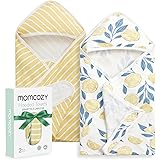
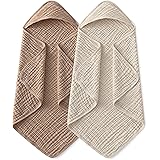
Swaddling helps newborns feel secure. It mimics the snugness of the womb. Swaddles or blankets keep babies warm and comfortable. It is a pro tip to have at least two swaddles available. One can be in the laundry while the other is in use. Stretchy, lightweight options like Viverano brand are often favored. Learning proper swaddling techniques is beneficial for both baby and parent.
9. Zippered Sleepers: Simplifying Night Changes
Frequent diaper changes occur day and night. Nighttime changes are especially challenging. Sleep deprivation makes intricate buttons frustrating. Zippered sleepers are highly recommended. They allow quick and easy access to the diaper. A zipper that runs from foot to neck is most convenient. This feature minimizes disruption. It also reduces stress for tired parents.
10. Stroller: Exploring the World Together
Getting outside with a newborn is beneficial. It supports parents’ mental health. Fresh air also stimulates the baby. A stroller becomes an essential item. Choosing one with a car seat or bassinet attachment is smart. This allows for seamless transitions. The baby’s naptime is not disrupted. It promotes ease of movement for new families.
Bonus Items: Enhancing Comfort and Convenience
Beyond the core 10 items, several others offer significant value. These products can improve daily life. They are not strictly required. However, they are highly appreciated by many parents.
-
Formula Coupons: Savings in Your Mailbox. Major formula brands, such as Enfamil and Similac, often offer rebate checks. Signing up for their online communities is recommended. These checks can provide significant savings. Up to $70 off per rebate book is possible. They are redeemable at most grocery stores. This strategy significantly lowers formula costs.
-
Pacifiers (Binkies): A Soothing Aid. Pacifiers can offer comfort to a fussy baby. They also help babies self-soothe to sleep. Brands like Nanobébé and Avent are popular choices. They offer various nipple shapes and sizes. Their use remains a personal parenting decision. However, pacifiers are a widely accepted tool.
-
Waterproof Changing Pad Protectors: Easy Clean-Up. Accidents during diaper changes are common. Waterproof changing pad protectors are highly practical. They lie directly on the changing pad. These protectors catch messes effectively. They are easily washable. This keeps the main changing pad clean. It reduces laundry frequency for larger items.
-
Breast Pump: Supporting Milk Production. For breastfeeding mothers, a breast pump can be invaluable. Insurance often covers the cost. This makes it a free acquisition for many. A pump helps stimulate milk production. It allows for milk storage. This can be beneficial when supply exceeds demand. It also allows other caregivers to feed the baby.
-
Diaper Rash Ointment (Butt Paste): Skin Protection. Diaper rash ointment, or “butt paste,” is crucial for skin health. Zinc oxide is a key ingredient to look for. This active ingredient forms a protective barrier. It prevents and treats diaper rash. Popular brands include Burt’s Bees Baby and A&D. Regular application is often recommended. This protects the baby’s delicate skin.
-
Baby Mittens: Preventing Scratches. Newborns often have surprisingly sharp fingernails. They can accidentally scratch themselves or others. Baby mittens provide a simple solution. They cover the baby’s hands. Some baby clothing includes built-in fold-over cuffs. For other clothing, separate mittens are very helpful. They prevent unintentional scratches.
The journey with a newborn is unique for every family. The items discussed here offer a solid foundation. Remember, you do not need to acquire everything on day one. Many essential items are provided by the hospital. New parents can then acquire additional items as needed. Ordering online provides convenience and quick delivery. This approach helps manage costs and reduce overwhelm. Your focus should be on building confidence. Enjoy these precious early days. You will become a confident parent over time.
Newborn Essentials Decoded: Your Questions Answered
What are the most basic needs for a newborn baby?
Newborns primarily need feeding, sleep, clean diapers, and a sense of security. Focusing on these core needs helps new parents avoid buying too many unnecessary items.
Do I need to buy a lot of diapers and wipes before my baby is born?
It’s not recommended to buy large quantities of diapers beforehand as you won’t know the exact size your baby needs. Hospitals often provide a temporary supply of newborn diapers and wipes.
Why is a car seat essential for a newborn?
A car seat is a legal necessity for safely transporting your infant. Hospital staff will even check for proper installation before you can take your baby home.
Where should my newborn sleep safely?
A bassinet placed close to your bed is ideal for newborns, allowing easy access during the night. It’s important to keep the bassinet clear of blankets and stuffed animals, with only the baby inside a swaddle.