
Do you ever wonder what your baby is trying to tell you through their various sounds and expressions? The universal symphony of coos, gurgles, and cries, so eloquently captured in the accompanying video, represents more than just adorable infant communication; it is a critical indicator of their needs and well-being. Understanding these cues is paramount, leading directly to the informed selection of the very best baby care products and the implementation of effective baby care tips that support optimal infant development.
For new and experienced parents alike, the landscape of infant care can seem vast and often overwhelming. This comprehensive guide aims to demystify the process, offering an expert-level exploration into selecting essential items and adopting practices grounded in pediatric science. Our focus is on providing actionable insights, ensuring every decision contributes positively to your child’s health and happiness.
Decoding Infant Cues: More Than Just Sounds
The auditory experiences in the video—crying, sucking, and gurgling—are not random; rather, they are the primary communication channels of an infant. A nuanced understanding of these physiological responses is the cornerstone of effective baby care.
The Language of Crying: A Call to Action
Infant crying, while distressing for parents, is a vital signal. Research published in the journal *Early Human Development* indicates that distinct cry patterns often correlate with specific needs, such as hunger, discomfort, fatigue, or the need for proximity. For instance, a high-pitched, intense cry might signify pain or acute distress, whereas a rhythmic, lower-pitched cry is frequently associated with hunger. Responding promptly and appropriately to these signals fosters a secure attachment and can mitigate prolonged periods of distress.
Sucking Reflex: Comfort and Nourishment
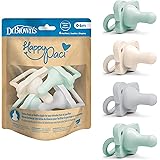
The sucking sound signifies both a primary feeding mechanism and a powerful self-soothing reflex. Newborns possess a strong, innate suck reflex crucial for feeding. Beyond nutrition, non-nutritive sucking, whether on a pacifier or thumb, is a well-documented comfort mechanism, helping infants regulate their emotions and transition to sleep. The American Academy of Pediatrics (AAP) notes that pacifier use, particularly during sleep, has been associated with a reduced risk of Sudden Infant Death Syndrome (SIDS).
Gurgling and Cooing: Signs of Contentment and Development
Gurgling and cooing sounds typically emerge around 2-4 months of age and are often indicators of contentment, nascent vocal play, and digestive processes. These early vocalizations are foundational to speech development, representing an infant’s first attempts at interactive communication. Observing these sounds frequently suggests a comfortable, well-fed, and stimulated baby, underscoring the success of applied baby care tips and appropriate environmental provisions.
Essential Baby Care Products: A Foundation of Well-being
Selecting the right baby care products is not merely about acquiring items; it is about investing in safety, comfort, and developmental support. Expert evaluation of product design, materials, and functionality is crucial.
Diapering Essentials: Prioritizing Skin Health
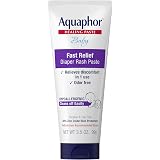
Diapers are arguably the most frequently used baby product. The choice between disposable and cloth diapers often hinges on convenience, environmental concerns, and cost-effectiveness. Regardless of type, paramount considerations include absorbency, fit, and the absence of irritating chemicals. Studies show that roughly 25% of infants experience diaper rash at some point, often exacerbated by prolonged moisture exposure or irritants. Therefore, selecting diapers with superior moisture-wicking properties and pairing them with a zinc oxide-based barrier cream can significantly reduce incidence. Furthermore, wipes should be alcohol-free and fragrance-free to protect sensitive infant skin.
Feeding Solutions: Nurturing Growth and Development
Whether breastfeeding, bottle-feeding, or a combination, the tools employed play a vital role. For bottle-fed infants, selecting bottles made from BPA-free materials with anti-colic features is recommended. Teat flow rates should be appropriate for the infant’s age and developmental stage to prevent aspiration or excessive air intake. Sterilization equipment, such as steam sterilizers or UV sterilizers, ensures hygiene, aligning with general public health recommendations to prevent bacterial contamination. Breastfeeding mothers may benefit from high-quality breast pumps, milk storage solutions, and nursing pillows, which can enhance comfort and maintain milk supply effectively.
Bathing and Skincare: Gentle Care for Delicate Skin
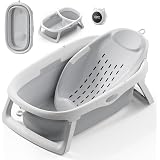
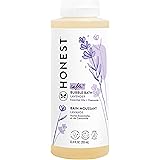
An infant’s skin is significantly thinner and more permeable than an adult’s, making it more susceptible to dryness and irritation. Consequently, the selection of bathing and skincare products requires meticulous attention. Pediatric dermatologists universally recommend using mild, pH-neutral, fragrance-free, and hypoallergenic cleansers and moisturizers. Products certified by dermatological associations often undergo rigorous testing to ensure they are free from common irritants and allergens. Post-bath, a gentle, emollient-rich lotion can help maintain the skin’s barrier function, preventing conditions like eczema.
Sleep Environment: Promoting Safe and Restorative Rest
The sleep environment is critical for an infant’s physiological and neurological development. The AAP’s safe sleep guidelines advocate for infants to sleep on their back on a firm, flat surface in a crib or bassinet that meets current safety standards. Essential products include a firm, breathable mattress, fitted sheets, and sleep sacks or swaddles for warmth instead of loose blankets. Cribs should meet rigorous safety certifications, such as those from the Juvenile Products Manufacturers Association (JPMA), ensuring no entrapment hazards or toxic finishes. According to a study in *Pediatrics*, adherence to safe sleep practices significantly reduces the risk of SIDS.
Health and Safety Essentials: Preparedness for Every Eventuality
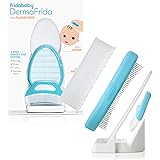
A well-stocked baby first aid kit is indispensable. Key items include a digital thermometer for accurate temperature readings, infant-specific pain relievers (with pediatric consultation), nasal aspirators for congestion, soft-bristled brushes for cradle cap, and nail clippers or files designed for tiny fingers. Furthermore, baby monitors, whether audio or video, offer peace of mind and allow caregivers to monitor an infant without constant physical presence. Childproofing supplies, such as outlet covers and cabinet locks, become crucial as infants begin to explore their environment.
Beyond Products: Integrating Advanced Baby Care Tips
While superior baby care products form a crucial foundation, their efficacy is maximized when integrated with informed parenting practices. The symbiosis of quality products and knowledgeable care cultivates a thriving environment for the infant.
Establishing Routines: Predictability for Development
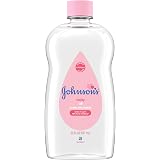
Infants thrive on predictability. Establishing consistent routines for feeding, sleeping, and playtime provides a sense of security and helps regulate their internal biological clock. For instance, a calming bedtime routine—which might include a warm bath using gentle infant wash, a light massage with baby lotion, and a lullaby—can signal to the infant that it is time for sleep. Longitudinal studies have indicated that consistent routines correlate with improved sleep patterns and reduced behavioral challenges in early childhood.
Effective Communication and Engagement
Beyond interpreting cries, active engagement with an infant through talking, singing, and reading is vital for cognitive and language development. Even pre-verbal infants absorb the cadence and structure of language. Utilizing baby-safe play mats, activity centers, and developmentally appropriate toys stimulates sensory exploration and motor skill development, enriching their environment. These interactions build neural pathways critical for future learning.
Maintaining Hygiene Protocols
Diligent hygiene practices are paramount in preventing common infant illnesses. This extends beyond daily bathing to meticulous handwashing by caregivers, proper sterilization of feeding equipment, and regular cleaning of high-touch surfaces in the infant’s environment. According to the Centers for Disease Control and Prevention (CDC), effective hand hygiene is one of the most effective strategies to prevent the spread of infections, a critical consideration when caring for infants with developing immune systems.
The Science of Selection: What to Look for in Baby Products
Navigating the vast market of baby care products demands an informed approach. Critical evaluation extends beyond aesthetics to rigorous safety standards, material science, and ergonomic design.
Certifications and Regulatory Compliance
Prioritize products that bear reputable safety certifications. In the United States, look for products that meet or exceed standards set by the Consumer Product Safety Commission (CPSC). For specific items like car seats, ensure compliance with federal motor vehicle safety standards (FMVSS). Organizations like JPMA also provide certification for a range of nursery products, indicating independent testing for safety and quality. These certifications offer an additional layer of assurance regarding a product’s integrity.
Material Safety and Non-Toxic Formulations
The chemical composition of infant products is a significant concern. Scrutinize labels for the absence of harmful substances such as BPA, phthalates, lead, PVC, parabens, and synthetic fragrances. Opt for products made from food-grade silicone, organic cotton, or sustainably sourced wood, particularly for items that come into direct contact with the infant’s skin or mouth. Awareness of endocrine-disrupting chemicals (EDCs) and their potential long-term health implications drives this emphasis on non-toxic formulations.
Ergonomics and Design for Optimal Functionality
A well-designed baby product considers not only the infant’s comfort and safety but also the caregiver’s ease of use. For example, strollers should be lightweight, maneuverable, and feature adjustable handles. Car seats should offer straightforward installation mechanisms. Thoughtful design minimizes caregiver strain, enhancing the overall experience of applying essential baby care tips and managing daily routines efficiently. Furthermore, products designed for adaptability and longevity, such as convertible cribs or high chairs that adjust with growth, offer both practical and economic advantages.
Soothing Doubts: Your Baby Care Product & Tip Questions Answered
Why is it important to understand my baby’s sounds?
Understanding your baby’s coos, gurgles, and cries is crucial because these sounds are primary indicators of their needs and overall well-being. Knowing these cues helps you respond appropriately and effectively.
What are the main ways babies communicate their needs?
Babies primarily communicate through different sounds like crying, sucking, and gurgling or cooing. Crying often signals a specific need like hunger or discomfort, while sucking can be for feeding or comfort, and gurgling shows contentment.
What should I consider when buying baby care products?
When buying baby care products, look for items with reputable safety certifications and made from non-toxic materials. Also, choose products with ergonomic designs that are safe and comfortable for your baby, and easy for you to use.
Why are daily routines important for my baby?
Establishing consistent daily routines for feeding, sleeping, and playtime provides your baby with a sense of security and predictability. This helps regulate their internal biological clock and can lead to better sleep and development.