
Did you know that a newborn’s skin is significantly thinner and more permeable than an adult’s, making it highly susceptible to irritation and dryness? This crucial fact underscores why specialized care for infants is not just a preference, but a necessity. As highlighted in the video above, some products commonly used by adults simply are not meant for the delicate needs of your baby. It is widely understood that infants require a unique approach to health and hygiene, necessitating products with a gentle touch that are also effective against germs.
The journey of parenthood is often filled with questions, especially when it comes to keeping your little one safe and healthy. Ensuring proper newborn hygiene is one of the most fundamental aspects of infant care. This comprehensive guide will expand on the critical insights from the video, offering detailed advice on maintaining optimal cleanliness and well-being for your cherished newborn.
Understanding Your Baby’s Delicate Skin: A Foundation for Newborn Hygiene
A newborn’s skin, being still in development, lacks the full protective barrier present in older children and adults. It is therefore more vulnerable to environmental factors, chemicals, and microbial invasions. Imagine if your skin were as thin as tissue paper; any harsh substance would cause discomfort almost immediately. This is why careful consideration of every product that touches your baby’s skin is so important.
The natural acidity of a baby’s skin, known as the ‘acid mantle,’ is also still forming. This mantle acts as a crucial defense against bacteria and irritants. Using products with an inappropriate pH level, such as many adult soaps and detergents, can disrupt this delicate barrier. Such disruption can lead to dryness, rashes, and other skin issues, compromising your baby’s comfort and health.
The Risks of Adult Products for Infant Skin
The video above wisely advises against using adult detergents and hygiene products for babies. This warning is rooted in solid physiological reasons. Adult products are typically formulated with stronger chemicals, fragrances, and dyes that, while generally safe for mature skin, can be extremely irritating to a newborn’s sensitive dermis.
It is often seen that adult detergents contain harsh enzymes and bleaches designed to tackle tough stains on robust fabrics. When these residues come into contact with a baby’s skin through clothing, contact dermatitis or allergic reactions can be triggered. Similarly, adult body washes and shampoos often feature potent surfactants and artificial scents that strip away natural oils from a baby’s skin, leading to dryness and irritation. Care is taken to ensure that baby-specific products are hypoallergenic and free from such common irritants, providing a safer alternative.
Essential Pillars of Newborn Hygiene Practices
Establishing a consistent and gentle hygiene routine is paramount for your baby’s health. Several key areas require specific attention to prevent infections and ensure comfort. Each aspect of baby hygiene contributes to their overall well-being, fostering a clean and protective environment.
Bathing Your Little One Safely and Gently
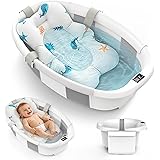
Bathing a newborn is an art form, requiring gentle hands and the right products. Typically, sponge baths are recommended until the umbilical cord stump falls off and heals completely, usually around 1-3 weeks. Once healed, full tub baths can begin, but they should be kept short, around 5-10 minutes, to prevent skin drying.
When bathing, it is advised that only baby-specific cleansers are used. These products are formulated to be tear-free and pH-balanced, minimizing irritation to both skin and eyes. A soft washcloth should be employed to gently clean all creases and folds, such as behind the ears, neck, armpits, and groin. Patting the baby dry, rather than rubbing, helps preserve their delicate skin barrier. Moisturizing immediately after a bath with a baby-friendly lotion can lock in moisture.
Diaper Area Care: Preventing Rashes and Discomfort
The diaper area is a particularly vulnerable spot for newborns due to constant exposure to moisture and waste. Frequent diaper changes are essential, ideally every 2-3 hours or immediately after a bowel movement. This practice significantly reduces the risk of diaper rash, a common source of discomfort for infants.
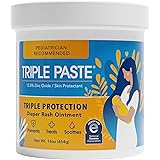
During each change, the area should be gently cleaned with lukewarm water and a soft cloth, or with mild, alcohol-free baby wipes. It is important to wipe from front to back, especially for girls, to prevent the spread of bacteria. Allowing the skin to air dry for a few minutes before applying a fresh diaper can also be beneficial. A thin layer of diaper cream or petroleum jelly can be applied to create a protective barrier against moisture, helping to maintain optimal infant hygiene.
Laundry for Your Newborn’s Delicate Skin
Just as direct skin products need to be gentle, so too do the products used to wash your baby’s clothing. Baby-specific detergents are formulated to be free of dyes, perfumes, and harsh chemicals that can irritate sensitive skin. Many adult detergents contain optical brighteners and strong fragrances, which can leave residues on fabrics that may trigger allergic reactions.
It is suggested that all new baby clothes, blankets, and bedding be washed before their first use. This removes any manufacturing residues. Additionally, consider washing your baby’s laundry separately from the family’s adult clothes to avoid cross-contamination with harsher detergents. Choosing detergents that are specifically labelled “hypoallergenic” or “for sensitive skin” is often a wise decision for maintaining proper baby care standards.
Beyond the Basics: Other Key Hygiene Areas
Several other aspects contribute to comprehensive newborn hygiene:
- Nail Care: Baby nails are surprisingly sharp and can easily scratch their delicate skin. Trimming them regularly, perhaps with baby nail clippers or a soft emery board, is advised. This task is often performed when the baby is asleep or calm.
- Umbilical Cord Care: Until the stump falls off, it should be kept clean and dry. Many pediatricians now recommend simply leaving it alone or cleaning with water, as alcohol can sometimes irritate the skin. Any signs of redness, swelling, or foul odor should be reported to a pediatrician.
- Oral Care: Even before teeth emerge, it is recommended that a baby’s gums are gently wiped with a soft, damp cloth or gauze after feedings. This practice helps remove milk residue and establishes good oral hygiene habits early on.
- Eye and Ear Care: The eyes are cleaned with a soft, damp cloth, wiping from the inner corner outwards. No soap should be used near the eyes. For ears, only the outer ear is wiped; cotton swabs should never be inserted into the ear canal, as this can cause injury.
Choosing the Right Hygiene Products for Your Baby
The market is flooded with baby products, making choices overwhelming for new parents. The video mentions products with a “gentle touch that are tough on germs,” embodying the ideal balance. When selecting products for your newborn, specific attributes should be prioritized to ensure both effectiveness and safety.
What to Look For in Baby Hygiene Products
It is often recommended that products labeled as “hypoallergenic” and “fragrance-free” are chosen. These terms indicate a reduced likelihood of causing allergic reactions or skin irritations. Products that are “pH-neutral” or “pH-balanced” are also beneficial, as they help maintain the natural protective barrier of your baby’s skin.
Many parents also seek products that are “dermatologist-tested” or “pediatrician-recommended,” providing an extra layer of reassurance. For example, baby washes and shampoos should be “tear-free” to prevent discomfort if they accidentally get into your baby’s eyes. When considering diaper creams, those containing zinc oxide or petroleum jelly are often favored for their protective and healing properties.
Ingredients to Avoid in Baby Products
A proactive approach to ingredient awareness is beneficial. It is often suggested that parents avoid products containing:
- Parabens: These are preservatives that have raised some health concerns.
- Phthalates: Often found in fragrances, these are endocrine disruptors.
- Sulfates (e.g., SLS, SLES): Harsh detergents that can strip natural oils and cause dryness.
- Artificial Fragrances and Dyes: Common irritants and allergens for sensitive skin.
- Alcohol: Can be very drying to a baby’s delicate skin.
By carefully reviewing ingredient labels, parents can make informed decisions that support their baby’s delicate health. Products such as those from Morisons Baby Dreams are designed with these specific needs in mind, offering a range of gentle yet effective solutions for comprehensive newborn hygiene.
Nurturing Your Little Angel: Hygiene Q&A
Why is a newborn’s skin different from an adult’s?
A newborn’s skin is significantly thinner and more permeable than an adult’s, making it highly susceptible to irritation and dryness. It also has a developing protective barrier and natural acidity.
Can I use adult soaps and detergents for my baby?
No, it’s not recommended. Adult products are formulated with stronger chemicals, fragrances, and dyes that can be extremely irritating to a newborn’s sensitive skin and disrupt its natural protective barrier.
How often should I change my baby’s diaper?
You should change your baby’s diaper frequently, ideally every 2-3 hours or immediately after a bowel movement, to prevent rashes and discomfort.
What should I look for when choosing baby hygiene products?
Look for products labeled ‘hypoallergenic,’ ‘fragrance-free,’ and ‘pH-neutral’ or ‘pH-balanced.’ Products that are dermatologist-tested or pediatrician-recommended are also beneficial.
Should I wash new baby clothes before my baby wears them?
Yes, it is advised to wash all new baby clothes, blankets, and bedding before their first use. This helps remove any manufacturing residues that could irritate your baby’s delicate skin.