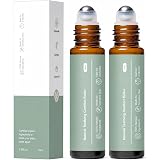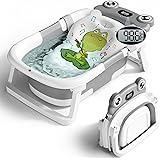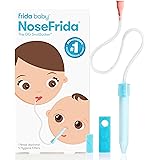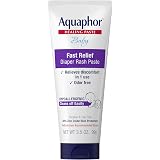

The accompanying video underscores a fundamental truth for every parent: what babies truly need are products formulated with natural ingredients, yet powerful enough to be tough on germs. Prioritizing baby health and hygiene is paramount for the well-being of your little one, ensuring they receive the gentle care and robust protection essential for their delicate stage of life. Selecting the right products, particularly those emphasizing natural ingredients, forms a crucial foundation for their healthy development and daily comfort.
Understanding Your Baby’s Delicate Skin
An infant’s skin is remarkably different from an adult’s, requiring specialized attention and protection. It is significantly thinner and more porous, making it highly susceptible to irritation, dryness, and absorption of environmental toxins. Consequently, a baby’s delicate skin loses moisture much faster, easily becoming dry or developing rashes without proper care. This inherent vulnerability emphasizes the critical need for gentle, nourishing products.
The skin barrier, which defends against external irritants and maintains hydration, is still developing in infants. Harsh chemicals, synthetic fragrances, or dyes found in some conventional products can easily compromise this nascent barrier. Therefore, choosing products specifically designed for sensitive skin, ideally with natural ingredients, is not merely a preference but a necessity for safeguarding your baby’s epidermal health. This approach helps prevent common skin issues such as eczema and diaper rash, fostering a comfortable and protected environment for their tender skin.
The Undeniable Power of Natural Ingredients for Infant Care
When selecting products for baby health and hygiene, focusing on natural ingredients offers substantial benefits. These components are typically derived from plants and minerals, undergoing minimal processing to retain their beneficial properties. Unlike synthetic counterparts, natural ingredients are generally milder and less likely to trigger allergic reactions or sensitivities in infants. Parents often appreciate the transparency and simplicity associated with plant-based formulations.
Consider ingredients like aloe vera, renowned for its soothing and moisturizing properties, which can calm irritated skin effectively. Chamomile extract is another excellent natural option, providing anti-inflammatory benefits that reduce redness and discomfort. Furthermore, nourishing oils such as shea butter or coconut oil offer deep hydration without clogging pores, supporting the skin’s natural barrier. Embracing chemical-free alternatives means avoiding potentially harmful substances such as parabens, phthalates, sulfates, and artificial fragrances, all of which can disrupt a baby’s developing system. These gentle formulations are designed to work in harmony with the baby’s body, promoting overall health without unnecessary exposure to harsh additives.
Effective Germ Protection Without Harshness
Maintaining a germ-free environment for your baby is a constant concern for parents, yet it must be achieved without resorting to harsh, irritating chemicals. Infants possess an immature immune system, rendering them more vulnerable to infections and illnesses compared to adults. Therefore, robust germ protection strategies are incredibly important for their early development. The challenge lies in finding methods and products that are tough on germs while remaining exceptionally gentle on a baby’s skin and respiratory system.
Simple, consistent hygiene practices form the cornerstone of effective germ prevention. Frequent handwashing for caregivers, using mild, natural soaps, significantly reduces germ transmission. Regularly cleaning high-touch surfaces in the home with safe, non-toxic cleaners further minimizes exposure to pathogens. When it comes to baby products, seek those that are formulated to eliminate germs using natural antimicrobials or mild cleansers, rather than aggressive disinfectants. This balanced approach ensures your baby is protected from harmful microbes without being exposed to potentially irritating or drying agents, contributing significantly to their overall baby health and hygiene.
Essential Baby Hygiene Practices for Everyday Care
Establishing a consistent routine for baby health and hygiene is fundamental for their comfort and well-being. These daily rituals not only keep your baby clean but also provide valuable bonding moments. Understanding the correct techniques for each aspect of infant care ensures maximum effectiveness and safety.
Bath Time: Gentle Cleansing and Hydration
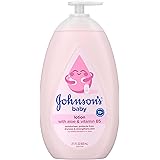
Bathing your baby serves a dual purpose: cleansing and relaxation. Utilizing a mild, tear-free baby wash with natural ingredients is essential to prevent eye irritation and skin dryness. The water should be comfortably warm, not hot, typically around 37-38 degrees Celsius. Sponge baths are recommended for newborns until their umbilical cord stump falls off and the area heals completely. After bathing, gently pat your baby dry, paying close attention to skin folds, and apply a natural, hypoallergenic moisturizer to lock in essential hydration. This routine contributes significantly to maintaining soft, healthy skin.
Diaper Care: Preventing Rashes and Discomfort
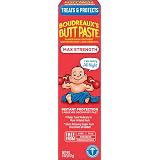
Diaper changes are a frequent part of infant care, and proper technique is crucial for preventing diaper rash. Change wet or soiled diapers promptly to minimize skin exposure to moisture and irritants. Clean the diaper area thoroughly with warm water and a soft cloth or fragrance-free wipes, always wiping from front to back. Allow the area to air dry completely before applying a thin layer of natural diaper rash cream, especially one containing zinc oxide or calendula. This meticulous approach to diaper care is vital for preventing irritation and maintaining baby health.
Umbilical Cord Care: Delicate Handling
For newborns, proper umbilical cord care is critical to prevent infection and promote healing. Keep the cord stump clean and dry, exposing it to air as much as possible to aid drying. Avoid submerging the cord in water during baths until it falls off naturally, which typically occurs within one to three weeks. If you notice any signs of infection, such as redness, swelling, or discharge, contact your pediatrician immediately. Gentle handling ensures the area heals without complications.
Nail Trimming and Oral Hygiene
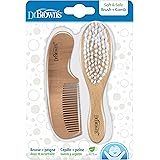
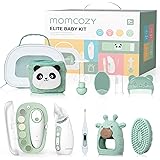
Keeping your baby’s nails short prevents accidental scratches to their delicate skin. Use soft baby nail clippers or files, preferably when your baby is asleep or calm. For oral hygiene, even before teeth emerge, gently wipe your baby’s gums with a clean, damp cloth after feedings. Once teeth appear, use a tiny amount of fluoride-free baby toothpaste and a soft baby toothbrush. These small but important steps are crucial aspects of comprehensive baby health and hygiene.
Choosing the Right Products for Your Little Angel
Navigating the myriad of baby products available can be overwhelming for new parents. Making informed choices, particularly regarding baby health and hygiene items, is paramount. Always prioritize products that explicitly state they are hypoallergenic, pediatrician-tested, and free from common irritants such as parabens, phthalates, sulfates, and artificial dyes. Looking for certifications from reputable organizations can provide an additional layer of assurance regarding product safety and quality. Reading ingredient labels carefully becomes second nature to many parents.
When selecting natural ingredients for your baby, consider the source and processing methods. Products boasting plant-based ingredients or organic extracts often align better with the needs of sensitive skin. Furthermore, opting for unscented or naturally scented products, perhaps with essential oils known for their gentle properties, can reduce the risk of allergic reactions. The ultimate goal is to provide your baby with the gentlest, most effective care possible, supporting their innate health and allowing their delicate systems to develop naturally. Prioritizing products with natural ingredients for baby health and hygiene ensures your little one gets that extra layer of love and protection they truly deserve.
Natural Nurturing for Your Little Angels: Q&A
Why is a baby’s skin so delicate?
A baby’s skin is much thinner and more porous than an adult’s, making it easily irritated, prone to dryness, and quicker to absorb environmental factors. Its protective barrier is still developing.
What are the main benefits of using natural ingredients in baby products?
Natural ingredients are generally milder and less likely to cause allergic reactions or sensitivities in infants. They help parents avoid potentially harmful chemicals like parabens, phthalates, and artificial fragrances.
How can I keep my baby protected from germs gently?
You can protect your baby from germs by caregivers frequently washing hands and regularly cleaning surfaces with safe, non-toxic cleaners. When choosing products, look for those that eliminate germs using natural antimicrobials or mild cleansers.
What are some key daily hygiene routines for my baby?
Essential routines include gentle bath time using mild, tear-free products and prompt diaper changes to prevent rashes. Remember to keep the umbilical cord stump dry and gently clean your baby’s gums or teeth.