
Navigating the world of parenthood can feel overwhelming, especially when considering the vast array of choices for baby care products. In fact, studies suggest that new parents spend an average of $12,000 on baby essentials in the first year alone, highlighting the significant investment and the importance of making informed decisions. While the video above offers visual guidance, this accompanying article expands on essential strategies for selecting the best baby care products and provides invaluable baby care tips to ensure your little one thrives.
Understanding Essential Baby Care Products for Newborns
When preparing for a new arrival, understanding which baby care products are truly essential can simplify your shopping list. Focus on categories that address basic needs: hygiene, feeding, comfort, and safety. Prioritizing these areas helps ensure your baby receives proper care without unnecessary clutter.
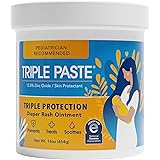
1. Diapering Essentials: Diapers, wipes, and diaper rash cream are non-negotiable for daily infant hygiene. Opt for fragrance-free, hypoallergenic wipes and creams to protect delicate skin. Both disposable and cloth diapering systems offer benefits, allowing parents to choose based on preference and lifestyle.
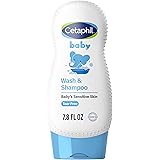
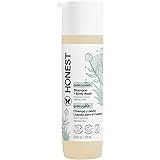
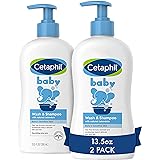
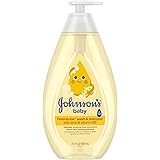
2. Bath Time Necessities: Gentle cleansers and moisturizers are key for maintaining your baby’s skin health. Look for products specifically formulated for infants, often labeled as tear-free and pH-balanced. A soft baby towel and a non-slip bath mat also contribute to a safe and enjoyable bathing experience.
3. Feeding Support: Whether breastfeeding or formula-feeding, certain items are vital. Bottles, sterilizers, and burp cloths are important for bottle-fed infants. For breastfeeding mothers, nursing pillows, breast pumps, and milk storage solutions can make a significant difference in comfort and convenience.
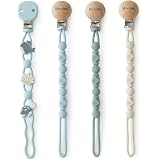
4. Sleep and Soothing Aids: Creating a safe sleep environment is paramount. A firm mattress, fitted sheets, and sleep sacks are crucial for preventing SIDS. Swaddles, pacifiers, and sound machines can also be excellent baby care products for soothing and promoting peaceful sleep.
Choosing the Best Baby Care Products: Safety and Ingredients Matter
The market is flooded with various baby products, making product selection a daunting task. However, focusing on safety certifications and ingredient transparency can guide your decisions. Always prioritize items free from harmful chemicals and potential allergens.
1. Prioritize Hypoallergenic and Fragrance-Free Formulas: A baby’s skin is incredibly sensitive and permeable, making it susceptible to irritation. Therefore, choosing products that are hypoallergenic and free from synthetic fragrances, dyes, and parabens is a fundamental baby care tip. These formulations minimize the risk of allergic reactions and skin sensitivities.
2. Check for Safety Standards and Certifications: Reputable organizations often certify baby products for safety. For instance, look for JPMA (Juvenile Products Manufacturers Association) certification for gear like strollers and cribs, or organic certifications for textiles and skincare. This provides an extra layer of assurance that products meet rigorous safety tests.
3. Read Ingredient Labels Carefully: Familiarize yourself with common irritants and toxic chemicals often found in personal care products. Ingredients like phthalates, formaldehyde releasers, and sulfates should generally be avoided. Understanding what’s in your baby’s products is a crucial aspect of responsible baby care.
4. Consider Product Longevity and Versatility: Investing in items that grow with your baby or serve multiple purposes can be cost-effective. For example, a convertible crib can transition into a toddler bed, and a baby carrier can adapt to different ages and weights. This approach extends the value of your baby care products.
Top Baby Care Tips for Daily Routines
Beyond selecting the right products, implementing effective baby care tips into your daily routine is essential for your child’s well-being. These practices contribute significantly to their health, comfort, and development.
1. Mastering Diaper Changes for Optimal Hygiene
Frequent diaper changes are vital, especially for newborns who can go through 10-12 diapers a day. This practice prevents diaper rash, a common skin irritation that can cause discomfort. Always have all your supplies—clean diaper, wipes, and cream—within arm’s reach before starting to ensure safety and efficiency.
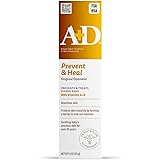
Remember to gently clean your baby’s bottom from front to back, especially for girls, to prevent the spread of bacteria. Applying a thin layer of diaper rash cream or barrier ointment at each change can act as a protective layer, even if no rash is present, maintaining healthy skin.
2. Gentle Bathing Techniques for Sensitive Skin
Babies typically don’t need a bath every day; two to three times a week is often sufficient to keep them clean without drying out their delicate skin. Sponge baths are recommended until the umbilical cord stump falls off and heals, usually around one to two weeks after birth.
When bathing, use lukewarm water and a mild, tear-free baby cleanser. Support your baby’s head and neck at all times, ensuring a firm but gentle grip. After bathing, pat the skin dry thoroughly, paying special attention to folds and creases, before applying a hypoallergenic baby lotion to lock in moisture.
3. Establishing Healthy Sleep Patterns
Creating a consistent bedtime routine helps signal to your baby that it’s time to sleep. This might include a warm bath, a gentle massage, reading a story, or singing a lullaby, establishing a calming sequence that promotes relaxation.
Always place your baby to sleep on their back in a crib or bassinet with a firm mattress and fitted sheet, free of loose blankets, bumpers, or toys. A safe sleep environment is one of the most important baby care tips for reducing the risk of SIDS.
4. Nourishing Your Baby Effectively
Whether you choose to breastfeed or formula-feed, ensuring your baby receives adequate nutrition is paramount for their growth and development. Pay attention to feeding cues, such as rooting, sucking hands, or fussiness, rather than waiting for crying.
For breastfed babies, aim for frequent feedings on demand. For formula-fed babies, follow the guidelines on the formula packaging, ensuring proper mixing to avoid nutritional imbalances. Always burp your baby during and after feedings to prevent discomfort from swallowed air.
5. Prioritizing Baby Safety Measures
Safety is an ongoing concern that evolves as your baby grows and becomes more mobile. Start with basic baby proofing, covering electrical outlets and securing furniture that could tip over. Always supervise your baby, especially around water or elevated surfaces.
Investing in baby gates, cabinet locks, and corner protectors is vital as your child starts crawling and exploring. Regular checks of toys for small parts and hazards, alongside keeping all medications and cleaning supplies out of reach, form the bedrock of comprehensive baby safety.
Utilizing the best baby care products along with informed baby care tips provides a strong foundation for nurturing your infant. From selecting the right items to establishing daily routines, every step contributes to a safe, healthy, and loving environment for your little one.
Your Baby Care Arsenal & Advice: Q&A for Informed Parenting
What are the main types of essential baby care products?
Essential baby care products fall into categories like hygiene, feeding, comfort, and safety. These include items like diapers, gentle bath products, feeding supplies, and safe sleep aids.
How can I choose safe baby care products?
Choose products that are hypoallergenic and fragrance-free to protect sensitive skin. Also, look for safety certifications and carefully read ingredient labels to avoid harmful chemicals.
How often should I change my baby’s diaper, and what’s a simple bathing tip?
For newborns, change diapers frequently, up to 10-12 times a day, to prevent rash. Babies generally only need to be bathed two to three times a week using lukewarm water and mild cleanser.
What is the most important tip for ensuring my baby sleeps safely?
Always place your baby to sleep on their back in a crib or bassinet with a firm mattress and fitted sheet. Make sure the sleep area is free of loose blankets, bumpers, or toys to prevent SIDS.