
The journey into parenthood is filled with countless milestones, each bringing its own mix of excitement and questions. One of the most anticipated, and sometimes daunting, is the transition to solid foods. Perhaps you have found yourself watching your baby intently as you eat, their eyes following every morsel from plate to mouth, or reaching out for your food with curious little fingers. These are often early signs that your little one is ready to embark on the adventure of starting solids. The video above offers a fantastic overview, and this accompanying guide will delve deeper into each aspect, providing comprehensive insights to help make your baby’s first food experiences positive and healthy.
When Is Your Baby Truly Ready for Solids? Understanding the Signs
While the excitement to introduce new tastes can be palpable, patience is truly a virtue when it comes to your baby’s first foods. It is widely recommended by leading health organizations, including the American Academy of Pediatrics and the World Health Organization, that babies begin solids around six months of age. This recommendation is not arbitrary; it is rooted in crucial developmental and physiological factors.
Introducing solids before four months is generally not advised. Studies have indicated an increased risk of allergies when solids are started prematurely. More importantly, a baby’s digestive system may not be mature enough to process solid food efficiently, and their swallowing reflex is often not yet coordinated enough to manage semi-solid foods safely. Breast milk or infant formula provides all the necessary nutrition for babies under six months, making early introduction nutritionally unnecessary.
Beyond age, a baby’s readiness is primarily determined by a cluster of developmental cues. These signs collectively indicate that your baby has acquired the foundational skills needed for safe and successful eating:
- Good Head and Neck Control: The ability to sit with support and hold their head upright and steady for the duration of a meal is paramount. This ensures they can safely manage food in their mouth and prevent choking.
- Sitting with Support: While they may not be able to sit completely unaided, being able to maintain a stable, upright posture in a high chair is essential. This stability contributes to safe swallowing.
- Interest in Food: Your baby will often display clear fascination with food. This might include watching you eat intently, reaching for food, or opening their mouth as food approaches them. This curiosity signifies a readiness to explore new sensations.
- Reduced Tongue Thrust Reflex: Babies naturally have a reflex to push anything placed on their tongue out of their mouth. As they mature, this reflex diminishes, allowing food to be moved to the back of the mouth for swallowing. Without this reduction, food simply cannot stay in the mouth long enough to be eaten.
- Awareness of Hands and Fingers: Around six months, babies often develop enough fine motor control to participate in feeding, even if their accuracy is poor. They may grab at food or bring objects to their mouth, indicating a readiness for self-feeding exploration.
It is crucial that multiple readiness signs are observed, not just one. These signs indicate your baby’s body is developmentally prepared for the complex task of eating solid food.
Exploring Approaches to Baby’s First Food: Baby-Led, Spoon, or Combo?
Once readiness is established, parents are often faced with the choice of how to introduce solids. There are three primary approaches, each with its unique philosophy and benefits, and it is widely accepted that all are perfectly suitable. The most comfortable method for you and your baby is often the best one.
Baby-Led Weaning (BLW)
This approach involves offering babies soft, finger-sized pieces of food from the outset, allowing them to self-feed completely. Purees and mashed foods are bypassed. The core principle is that the baby is in control of what and how much they eat. This method is thought to encourage self-regulation, develop fine motor skills, and foster a positive relationship with food.
Spoon-Feeding (Traditional)
In the traditional spoon-feeding method, the parent typically offers pureed or mashed foods to the baby with a spoon. The parent guides the pace and amount of food offered. This approach is often chosen for its perceived ease in managing mess and tracking intake, and it allows for a gradual introduction of various textures.
Combination Feeding (Combo)
As the name suggests, this method blends elements of both baby-led weaning and spoon-feeding. Parents might offer purees via spoon for some meals and finger foods for others, or even combine both within a single meal. This approach offers flexibility, potentially harnessing the benefits of both methods and allowing parents to adapt to their baby’s preferences and developmental stages.
The choice between these methods is a personal one. What works well for one family may not for another. Understanding the nuances of each can help you select the approach that aligns best with your comfort level and your baby’s individual needs.
Essential Gear for Successful Mealtime Adventures
Preparing for the introduction of solids involves more than just food; it also requires setting up a safe and functional eating environment. Having the right tools can significantly ease the process and contribute to a positive experience.
- High Chair: A sturdy high chair is indispensable. It is important that your baby is seated at the table with you, allowing them to observe and model your eating behaviors. A high chair with an adjustable footrest is particularly beneficial, as it provides stability and promotes good posture, which is crucial for safe swallowing. Ensure it is easy to clean, as mess is an inevitable part of the process.
- Open Cup: While many parents reach for sippy cups, introducing a small, open cup from the start is highly recommended. It promotes better oral motor development and helps babies learn to sip rather than suck. Choose a durable, non-breakable cup, as it will likely be dropped often!
- Bowls and Plates: For self-feeding, bowls and plates with a rim can help contain food and make it easier for babies to scoop. Suction-bottomed options are a game-changer, preventing bowls and plates from being thrown off the tray, a common baby pastime.
- Spoons: If spoon-feeding, opt for small spoons with smooth, shallow bowls made from silicone. This ensures that if your baby bites down, it doesn’t hurt their gums, and the shallow design makes it easier for them to clear the food from the spoon with their lips.
- Splash Mat: Placing a splash mat under the high chair can make post-meal cleanup significantly easier, protecting your floors from food debris.
- Bibs or Smocks: Smocks that cover the baby’s arms and torso offer maximum protection for clothing. If using bibs, those with a Velcro tab at the back are preferred. This allows for easy removal without pulling the bib (and any accumulated food) over your baby’s face, which can be distressing and create negative associations with mealtime.
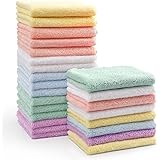
- Washcloths: Keep a plentiful supply of washcloths on hand. Remember to use them *after* the meal for cleaning, not constantly during. Wiping during the meal can be irritating for your baby and distract them from eating. A firm, confident stroke is often better received than tentative dabs.
Investing in these key items can make the transition to solids a smoother, more enjoyable process for both you and your baby.
The First Bites: How to Introduce Baby’s First Food
With your baby showing readiness and your mealtime essentials in place, the exciting moment arrives: introducing solid foods. This initial phase is about exploration, not consumption, as milk remains the primary source of nutrition for many months to come.
Timing and Frequency
Initially, solid food is offered once a day. This allows your baby to become accustomed to the new experience without feeling overwhelmed. It is generally advised to offer solids *after* a milk feed or at a separate time to a milk feed. This ensures your baby is not too hungry (and therefore frustrated) but has enough appetite to explore. Around nine months of age, this sequence is often reversed, with food offered before milk, as solids begin to play a more significant role in their nutritional intake.
Choosing a calm time of day is paramount. Mornings or midday often work best, as babies tend to be more relaxed and engaged, unlike the potentially more hectic afternoons. Minimize distractions by turning off televisions and devices. A focused mealtime encourages your baby to pay attention to their food and internal hunger and fullness cues.
First Foods and Textures
When starting solids, single-ingredient foods are typically introduced first. This simplifies identifying any potential allergic reactions. A common starting point is iron-fortified baby cereal mixed with breast milk or formula, as baby’s iron stores begin to deplete around six months. Other excellent first foods include pureed meats, poultry, beans, and lentils, which are rich in iron and zinc.
Soft, pureed fruits and vegetables are also popular choices. Examples include sweet potato, avocado, banana, pureed peas, or butternut squash. Textures should initially be smooth and gradually progress to thicker purees, mashed foods, and then soft lumps as your baby’s oral motor skills develop. For baby-led weaning, soft, finger-sized pieces that are easily squashed between your fingers are ideal.
The introduction of common allergens, such as peanut, egg, dairy, and wheat, is another important consideration. Current recommendations suggest introducing these allergens early and regularly, one at a time, to observe for any reactions. Always consult with your pediatrician for personalized advice on allergen introduction, especially if there is a family history of allergies.
Portion Sizes and Responsive Feeding
Start with a very small amount—perhaps just one teaspoon or a single piece of food. Gradually increase the quantity based on your baby’s appetite. It is very common for parents to worry their baby isn’t eating enough, but remember that a baby’s stomach is only about the size of their clenched fist, so they do not require large volumes of food.
Responsive feeding is key to fostering a healthy relationship with food. This means paying close attention to your baby’s cues of hunger and fullness. If your baby turns away from the food, pushes it out, or shows disinterest, it is important to stop feeding them. Never force-feed a baby. Your role as a parent is to decide *what* food to offer, *when* to offer it, and *where* to eat. However, it is your baby’s responsibility to determine *how much* they will eat, or if they will eat at all.
Learning to eat is a complex process that takes time, practice, and patience. Your baby’s appetite will fluctuate from meal to meal and day to day. As long as your baby is developing and growing well, it can be assured that they are receiving sufficient nourishment from their combined milk and solid intake. The journey of starting solids is a gradual one, focused on exploration, discovery, and building positive associations with food, setting the stage for a lifetime of healthy eating habits.
First Bites & Beyond: Your Questions Answered
When should I start giving my baby solid food?
It is widely recommended that babies begin solids around six months of age. Introducing solids before four months is generally not advised due to undeveloped digestive systems and swallowing reflexes.
How can I tell if my baby is ready for solid foods?
Look for signs like good head and neck control, being able to sit with support, showing interest in your food, and a reduced tongue thrust reflex. Observing multiple signs means your baby is developmentally prepared.
What are the different ways to introduce solid foods to my baby?
There are three main approaches: Baby-Led Weaning (self-feeding finger foods), Spoon-Feeding (parent offers purees), or Combination Feeding (blending both methods). The best choice depends on what suits you and your baby.
What essential gear do I need before starting solids?
Key items include a sturdy high chair, a small open cup, bowls or plates (suction bottoms are helpful), baby-friendly spoons, bibs or smocks, and washcloths for easy cleanup.
How should I introduce the first bites of solid food?
Initially, offer solid food once a day, usually after a milk feed, starting with a very small amount. Focus on single-ingredient foods like iron-fortified cereal, pureed meats, or soft fruits and vegetables.