
The precious early months of a baby’s life are often filled with joy, but also a significant degree of concern regarding their well-being. A common oversight occurs when parents, perhaps unknowingly, reach for adult hygiene and cleaning products for their little ones. This practice, as highlighted in the video above, frequently leads to skin irritation and potential health issues for infants, whose delicate systems are simply not equipped to handle formulations designed for adults. The solution, therefore, lies in understanding and embracing the crucial difference specialized baby health and hygiene products offer, which are formulated with natural, gentle ingredients.
Understanding Why Adult Products Are Unsuitable for Infant Care
An infant’s skin is remarkably different from that of an adult, making the use of conventional products a notable risk. It is well-documented that the skin barrier in newborns and young babies is significantly more permeable and thinner. For instance, studies indicate that a baby’s stratum corneum, the outermost layer of the skin, is approximately 20-30% thinner than an adult’s. This increased permeability means that chemicals and irritants present in adult products can be absorbed more readily into a baby’s bloodstream, potentially leading to systemic effects.
Moreover, the pH balance of a baby’s skin is still developing. Adult products are often formulated to match an adult’s slightly acidic skin pH (around 5.5). However, a newborn’s skin pH can be higher, gradually becoming more acidic over the first few weeks. Products with a pH that is too low or too high for an infant can disrupt this delicate balance, leading to dryness, rashes, and a compromised skin barrier function. Furthermore, the enzymatic activity within infant skin is still maturing, making it less capable of neutralizing irritants.
The Problematic Nature of Harsh Chemicals
Many adult detergents and hygiene products contain a range of chemicals that, while safe for adult use, are simply too potent for an infant. These can include strong surfactants, phthalates, parabens, and synthetic fragrances. Phthalates, for example, are often used in fragrances and plastics and have been linked to potential endocrine disruption in vulnerable populations. Parabens, used as preservatives, have also raised concerns regarding their potential impact on hormonal systems. For a child, whose organ systems are still developing, exposure to such compounds is a significant area of concern.
According to the American Academy of Pediatrics, parents are advised to avoid products containing fragrances, dyes, and harsh preservatives when caring for infants, especially those with sensitive skin or a family history of eczema or allergies. It is estimated that up to 20% of children experience eczema, often triggered or exacerbated by environmental irritants.
The Power of Natural Ingredients for Baby Health and Hygiene
The shift towards natural ingredients in baby care is not merely a trend; it is supported by the understanding of what truly benefits delicate infant skin. Products featuring natural ingredients are typically formulated to be hypoallergenic and free from known irritants, offering a gentler approach to baby hygiene.
Gentle Cleansing and Soothing Properties
Natural ingredients, such as chamomile extract, calendula, aloe vera, and oat proteins, are frequently incorporated into baby washes, shampoos, and lotions. These substances are selected for their known anti-inflammatory, soothing, and moisturizing properties. Chamomile, for instance, has long been recognized for its calming effects on irritated skin, while aloe vera is a well-established natural moisturizer. These components contribute to maintaining the integrity of the baby’s skin barrier, rather than stripping it of its natural oils, which can occur with harsh chemical detergents.
A study published in the ‘Journal of Clinical and Aesthetic Dermatology’ emphasized the importance of gentle, pH-neutral cleansers for infants, noting that formulations with natural emollients can significantly reduce transepidermal water loss (TEWL), thereby improving skin hydration and barrier function. This directly counters the drying effects often associated with adult products.
Prioritizing Germ Protection for Little Ones
While gentleness is paramount, effective germ protection cannot be overlooked when it comes to baby care products. Infants have immature immune systems, making them more susceptible to infections. Therefore, baby products must be tough on germs without being tough on their skin.
Targeted Formulations for Immature Immune Systems
Specialized baby detergents, for example, are formulated to remove common stains and germs from baby clothes while rinsing clean, leaving no irritating residue. These products often employ mild, plant-derived cleaning agents that effectively break down dirt and pathogens without requiring harsh chemical solvents. The goal is to sanitize surfaces and items that come into contact with the baby, minimizing exposure to bacteria and viruses, which is crucial for preventing common childhood illnesses.
Furthermore, baby wipes and hand sanitizers designed for infants often contain alcohol-free formulations with natural antibacterial properties, such as tea tree oil or witch hazel, albeit in highly diluted and safe concentrations. These alternatives are utilized to offer protection against germs without the drying or irritating effects of alcohol-based products, which can dehydrate delicate skin. The effectiveness of these gentler formulations in reducing microbial load has been demonstrated in various dermatological assessments.
Essential Baby Health and Hygiene Products for Every Nursery
Equipping your home with the right baby-specific products is a fundamental step in ensuring optimal infant health and hygiene.
Baby Laundry Detergents
Using a baby-specific laundry detergent is not just about cleanliness; it’s about protecting sensitive skin. These detergents are typically fragrance-free, dye-free, and hypoallergenic, formulated to be extra gentle. They are designed to rinse away completely, leaving no residue that could irritate a baby’s skin, which is important given the constant contact clothing has with their body. Research suggests that parents who use conventional detergents for baby clothes report higher instances of contact dermatitis compared to those using specialized baby formulations.
Baby Soaps, Shampoos, and Washes
Bath time is a cherished ritual, but it requires careful product selection. Baby soaps, shampoos, and body washes are formulated to be tear-free and pH-balanced. They use milder cleansing agents than adult products, preventing the stripping of natural oils from a baby’s skin and scalp. Look for products enriched with natural emollients and free from sulfates, which can be harsh and drying.
Lotions and Moisturizers
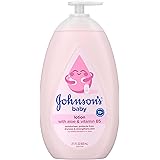
A baby’s skin can easily become dry, especially after bathing. Baby lotions and moisturizers are created to be non-comedogenic and rich in ingredients like shea butter, coconut oil, or glycerin. These help to lock in moisture and reinforce the skin barrier, preventing dryness and discomfort. Regular application, particularly in dry climates or during winter months, is shown to significantly reduce the incidence of infant xerosis (dry skin).
The conscious choice of specialized baby health and hygiene products is an essential component of responsible parenting. It is a recognition that these “little angels” indeed require that “little extra” care, tailored specifically to their developmental needs, ensuring their comfort, protection, and overall well-being as they grow.
Nurturing Your Little Angel: Natural Care Q&A
Why shouldn’t I use adult hygiene products on my baby?
A baby’s skin is much thinner and more sensitive than an adult’s. Adult products contain harsh chemicals and ingredients that can irritate their delicate skin and be absorbed more easily.
What are the benefits of using natural ingredients in baby products?
Natural ingredients like chamomile and aloe vera are gentle, soothing, and moisturizing for a baby’s delicate skin. They help maintain the skin’s natural barrier without causing irritation.
Why is germ protection important for babies?
Babies have immature immune systems, making them more vulnerable to infections. Specialized baby products are formulated to be tough on germs while still being gentle on their sensitive skin.
What types of baby-specific products should I use for my newborn?
Essential baby products include gentle laundry detergents, tear-free soaps and shampoos, and moisturizing lotions. These are all formulated to be safe and effective for a baby’s delicate needs.