
As detailed in the video above, transitioning to reusable baby wipes represents a pivotal step for parents seeking both practical efficiency and enhanced sustainability in their daily routines. The persistent challenges posed by disposable wipes—their environmental footprint, recurrent costs, and often subpar cleaning performance—have long troubled eco-conscious families. Nonetheless, a highly effective and economical alternative exists, promising superior results while significantly reducing household waste and expenditure.
The Undeniable Superiority of Reusable Baby Wipes
The argument for integrating cloth wipes into your baby care regimen is compelling, rooted in several key advantages that transcend mere convenience. From unparalleled cleaning efficacy to profound environmental stewardship, these washable alternatives redefine the standard for infant hygiene.
Unparalleled Cleaning Efficacy: A Grippier, More Thorough Clean
One of the most immediate and impactful benefits of reusable baby wipes is their superior cleaning power. Unlike their flimsy, disposable counterparts, which often require multiple sheets to tackle even minor messes, a single cloth wipe frequently suffices. Imagine attempting to clean a thick, sticky mess with a smooth, damp paper towel; the struggle is palpable. Conversely, fabric wipes, typically crafted from materials like cotton, bamboo, or terry cloth, possess a natural ‘grip’ and texture that effortlessly captures and removes solids, making cleanup far more efficient. This characteristic is particularly advantageous when confronting the notorious challenges of newborn meconium or the more substantial output of a pre-weaning infant. As the video highlights, this enhanced grip means less effort, fewer wipes, and ultimately, a cleaner baby.
Gentle on Delicate Skin: Prioritizing Your Baby’s Comfort
Newborn skin, being significantly more permeable and fragile than adult skin, is highly susceptible to irritation. Disposable wipes, often imbued with a cocktail of chemicals—fragrances, preservatives, and harsh detergents—can strip natural oils and trigger adverse reactions such as rashes or dryness. The beauty of reusable baby wipes lies in their simplicity: typically, they are used with plain water. This minimalist approach eliminates exposure to potential irritants, making them an ideal choice for the most sensitive skin. Furthermore, the soft, absorbent nature of natural fibers provides a gentle touch, ensuring comfort during every change. The recommendation to use cotton wool and water for newborns, as per medical advice, can be cumbersome, especially with thick meconium. Reusable wipes offer the same gentle, water-based clean with significantly greater practicality and effectiveness.
Significant Economic Advantage: Realizing Substantial Savings
The cumulative cost of disposable baby wipes is an often-overlooked financial drain. While individual packs may seem inexpensive, their recurring purchase rapidly accrues. Consider the statistic presented: an average parent spends approximately £150 annually on disposable wipes. Over three and a half years, this equates to a staggering £525. In stark contrast, an initial investment of around £30 for a comprehensive set of 50 reusable wipes can last for years, yielding hundreds of pounds in savings. These financial benefits are not merely theoretical; they represent tangible cash flow improvements that can be redirected towards other essential family needs. The initial outlay for reusable wipes is quickly recouped, transforming them into a remarkably cost-effective solution.
Profound Environmental Stewardship: Reducing Your Ecological Footprint
The ecological ramifications of disposable wipes are extensive and increasingly alarming. Composed primarily of non-biodegradable plastics and synthetic fibers, these wipes persist in landfills for centuries, contributing significantly to plastic pollution. Moreover, the prevalence of “flushable” wipes, which often fail to break down in drainage systems, leads to colossal blockages in sewers, known as “fatbergs,” and contaminates waterways. By opting for reusable baby wipes, families can drastically reduce their household waste, mitigating their contribution to landfill expansion and protecting aquatic ecosystems from plastic contamination. This simple switch aligns directly with principles of sustainable living, offering a tangible way to safeguard the planet for future generations.
Uninterrupted Supply: The Convenience of Never Running Out
One minor yet persistent frustration for parents is the sudden realization that the disposable wipe stash has dwindled to nothing, often at the most inopportune moment. Reusable wipes virtually eliminate this inconvenience. With an adequate supply and a consistent wash routine (typically every two to three days, mirroring cloth diaper washing), you are unlikely to ever face an empty dispenser. This continuous availability ensures peace of mind and streamlines the diaper changing process, removing an unnecessary source of stress from busy parenting lives.
Integrating Reusable Wipes into Your Daily Routine
Adopting reusable baby wipes might seem like a daunting shift, yet the process is remarkably straightforward and seamlessly integrates into existing baby care practices.
Preparation and Storage at Home: Simplicity Personified
For home use, the method is refreshingly simple. Maintain a pile of dry cloth wipes near your changing station or bathroom sink. When a wipe is needed, simply grab one, moisten it under a tap, and use it immediately. This ‘wet-as-you-go’ approach ensures freshness and avoids the potential for mildew or bacterial growth that can occur with pre-soaked wipes. Some parents prefer to pre-wet a small batch for convenience, storing them in a lidded container or a small wet bag for short periods. This flexibility allows for adaptation to individual preferences and household setups.
On-the-Go Convenience: Mobility Without Compromise
Venturing out with a baby often requires meticulous planning, and reusable wipes fit perfectly into this framework. For excursions, parents can pre-wet a handful of wipes and store them in a small, waterproof wet bag. Brands like Close Parent and Baba & Boo offer robust, leak-proof options specifically designed for this purpose. Alternatively, one can carry dry wipes in a separate pocket of the diaper bag and moisten them as needed, using a water bottle or a public changing area sink. Post-use, dirty wipes are securely stored in a designated wet bag, preventing odors and containing any mess until you return home for washing. This dual-bag system—one for clean, one for dirty—ensures hygienic separation and ease of management.
The Poop Protocol: Tackling Messes with Efficiency
Cleaning poopy bottoms with reusable wipes is often cited as a concern, yet the process is surprisingly clean and efficient. For newborns and pre-weaning infants, whose stool is typically runnier, simply wipe and place the used wipe directly into the wet bag or nappy pail. The washing process will handle the rest. For older children on solids, whose stool is more substantial, a pre-wipe with a piece of toilet paper to remove the bulk before using the cloth wipe can be beneficial. This initial step minimizes the amount of solid waste on the cloth wipe, allowing it to provide a thorough final clean before being deposited for washing. This method not only simplifies cleanup but also reduces potential staining.
Multipurpose Use: Bottoms, Hands, and Faces
A common question arises regarding the interchangeability of wipes for different bodily functions. While it is entirely safe to use the same cloth wipes for bottoms, hands, and faces, provided they undergo a thorough wash cycle, personal preference often dictates separate uses. Many parents, relying on the efficacy of a robust wash routine, find no issue with this. However, for those who prefer distinct wipes, colored sets are available (e.g., from Cheeky Wipes) to differentiate between bottom-use wipes and those designated for hands and faces. This allows for customized hygiene protocols without compromising the environmental or economic benefits.
Mastering the Wash Cycle: Longevity and Hygiene
The longevity and hygienic integrity of reusable baby wipes depend significantly on a proper washing routine. Fortunately, this process is generally uncomplicated and integrates well with existing laundry habits.
Storage of Used Wipes: Containment and Odor Control
Post-use, soiled reusable wipes should be stored appropriately until laundry day. For parents already utilizing cloth nappies, wipes can be stored directly alongside them in a nappy bin or a large wet bag. These containers are designed to contain odors effectively. If not using cloth nappies, a dedicated lidded box, perhaps lined with a mesh laundry bag, serves the same purpose. The mesh bag is particularly convenient, allowing the entire contents to be transferred directly into the washing machine without handling the dirty wipes.
Pre-Wash & Main Wash: Ensuring Thorough Cleanliness
For wipes used on poopy bottoms, a pre-wash cycle is highly recommended. A short, cold rinse cycle (around 30 minutes) helps to dislodge solids and flush away initial contaminants before the main wash. This step is crucial for preventing stains and ensuring a deep clean. Following the pre-wash, wipes can be washed with regular laundry or cloth nappies. A standard wash cycle at 40 degrees Celsius, using an appropriate amount of detergent, is typically sufficient. Contrary to older advice, soaking is not necessary and can actually degrade fabric fibers over time, reduce the lifespan of the wipes, and lead to unpleasant odors. Modern detergents and washing machines are designed to clean effectively without the need for prolonged soaking.
Drying Best Practices: Softness and Prevention of Mildew
After washing, reusable wipes can be air-dried, either on a clothesline or an indoor drying rack. Air drying is environmentally friendly and helps maintain fabric integrity. While they may feel slightly stiff when air-dried, this texture immediately softens upon re-wetting. For those concerned about softness, a brief tumble dry can help fluff them up. It is important to ensure wipes are thoroughly dried periodically (e.g., every couple of weeks) to prevent any damp smells or mildew formation, especially if they are frequently stored wet between washes. Simply integrate their drying into your regular laundry schedule.
Addressing Common Concerns & Misconceptions
New users of reusable baby wipes often harbor specific concerns, which are easily addressed with accurate information and practical tips.
Hardness When Dry: A Temporary Sensation
Some parents notice that air-dried cloth wipes can feel somewhat stiff or rough. This is a natural characteristic of certain fabrics once dry. However, this sensation is entirely temporary. The moment a dry wipe is moistened under the tap, it instantly regains its softness and pliability, making it perfectly gentle for a baby’s delicate skin. Tumble drying can reduce initial stiffness, but it is not a prerequisite for effective and comfortable use.
Staining Scrutiny: Dispelling Misconceptions
The idea of using white wipes for poopy bottoms can understandably raise concerns about permanent staining. Interestingly, high-quality reusable wipes, even white ones, are remarkably resistant to staining. The video highlights using muslin wipes for seven months without a single stain. Should a stubborn stain occur, particularly from meconium or strong food pigments like spaghetti bolognese, a quick re-wash or exposure to direct sunlight can effectively remove it. Sunlight acts as a natural bleach, safely lifting stains without harsh chemicals. For recurrent staining issues, particularly with vibrant food colors, opting for colored wipes for hands and faces can be a practical solution.
Soaking or Not Soaking: Modern Wisdom Prevails
Historically, soaking soiled cloth items was a common practice. However, with advancements in washing machine technology and detergent formulations, soaking is no longer necessary for reusable baby wipes or cloth nappies. In fact, prolonged soaking can be detrimental, potentially leading to bacterial growth in stagnant water, unpleasant odors, and accelerated wear and tear on the fabric. A modern wash routine, incorporating a pre-wash cycle, provides a far more hygienic and effective cleaning solution without the drawbacks of soaking.
Hygiene & Cross-Contamination: Trusting the Wash Cycle
Concerns about hygiene when using wipes for various purposes or washing them with other laundry are legitimate. However, a thorough wash cycle with an appropriate amount of detergent at the correct temperature (e.g., 40°C or 60°C for heavily soiled items) effectively sanitizes reusable wipes, eliminating bacteria and pathogens. This rigorous cleaning process ensures that wipes are hygienically clean and safe for re-use on any part of the baby’s body. For added assurance, some parents opt to use separate colored wipes or wash them in a separate load, though it’s generally not a strict necessity with a well-established wash routine.
Choosing Your Reusable Wipes: A Guide to Options
The market for reusable baby wipes offers a variety of choices, allowing parents to select products that best suit their preferences and needs.
Material Matters: Cotton, Bamboo, Terry, and Muslin
Reusable wipes are available in several fabric types, each with distinct characteristics:
- Cotton: Soft, absorbent, and durable, cotton wipes are a popular all-rounder. Organic cotton offers an even gentler, chemical-free option.
- Bamboo: Known for its exceptional softness and absorbency, bamboo is also naturally antibacterial and highly sustainable.
- Terry Cloth: Characterized by its looped pile, terry cloth offers excellent grip and absorbency, making it particularly effective for messier cleanups.
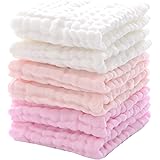
- Muslin: Lightweight and highly absorbent, muslin wipes, especially the larger varieties mentioned in the video, are excellent for runny newborn stools due to their expansive coverage and soft texture.
Size Considerations: From Newborns to Toddlers and Beyond
Wipe size can significantly impact usability. Smaller wipes, like the standard Cheeky Wipes, are convenient for travel and fitting into compact wet bags. Larger muslin wipes, as discovered in the video, provide more surface area, which can be particularly advantageous for containing larger messes or for use on newborns. Having a mix of sizes can be ideal, reserving larger ones for home use and smaller ones for outings.
Brand Spotlights: Trusted Providers
Several reputable brands specialize in reusable baby products, offering high-quality cloth wipes and accessories:
- Cheeky Wipes: A well-known brand offering comprehensive kits, including wipes, storage boxes, and wet bags. They provide both hands-and-face and bottom wipes, often in differentiated colors.
- Close Parent: Highly regarded for their robust and waterproof wet bags, which are essential for on-the-go storage of wet or dirty wipes and nappies.
- Baba & Boo: Another excellent brand offering a range of cloth nappy accessories, including versatile wet bags suitable for reusable wipes.
Unfolding the Answers: Your Reusable Baby Wipe Q&A
What are reusable baby wipes?
Reusable baby wipes are washable cloth wipes used for cleaning babies, serving as an eco-friendly and cost-effective alternative to disposable wipes. They are typically made from soft fabrics like cotton or bamboo.
What are the main benefits of using reusable baby wipes?
Reusable wipes offer superior cleaning power and are gentler on sensitive skin because they are often used with just water. They also save parents money in the long run and significantly reduce environmental waste compared to disposables.
How do I use reusable baby wipes during a diaper change?
For home use, you typically moisten a dry wipe with tap water before use. For poopy messes, you can use toilet paper to remove the bulk first, then clean thoroughly with the cloth wipe.
How should I wash reusable baby wipes?
Store used wipes in a wet bag or nappy bin until laundry day. It’s best to do a short, cold pre-wash, then a main wash at 40 degrees Celsius with your regular detergent.