
Welcoming a newborn into your home is an unparalleled joy, yet it comes with a steep learning curve. Did you know that new parents typically change a baby’s diaper 10-12 times a day in the first month, amounting to roughly 3,600 diapers in their first year alone? This figure highlights just how central diaper changes and other routine care become. The brief video above offers a glimpse into the tender world of newborn care, but understanding the nuances of these essential tasks can empower you with confidence and create meaningful bonding moments. This comprehensive guide will walk you through mastering critical newborn routines, from the art of changing a baby’s diaper to the gentle ritual of a newborn bath, transforming daunting tasks into cherished daily interactions.
Mastering Newborn Diaper Changes: A Step-by-Step Guide
Changing your baby’s diaper is much like fueling a tiny, precious vehicle; it’s a frequent, essential pit stop that keeps everything running smoothly. The goal is to keep your newborn dry, comfortable, and free from irritation. Understanding the frequency and proper technique is paramount, especially when navigating the delicate nature of a newborn’s skin. Expect to change diapers every 2-3 hours, or immediately after a bowel movement, even if it means waking your slumbering little one.
1. Essential Supplies for Efficient Diapering
Before you even begin, setting up your “diaper changing station” is like preparing a chef’s mise en place – everything you need should be within arm’s reach. A well-stocked station ensures a smooth process and, more importantly, keeps your baby safe and attended at all times. Think of it as your tactical headquarters for cleanliness, always ready for action at a moment’s notice.
- Fresh diaper (always have an extra on hand!)
- Gentle baby wipes or warm, damp washcloths
- Diaper rash cream or ointment
- Changing pad or soft towel
- A distraction for your baby (toy or mobile)
2. The Gentle Art of Changing a Baby’s Diaper
Performing a diaper change should be a calm, reassuring experience for both parent and child. Start by laying your baby gently on their back on the changing pad, unfastening the dirty diaper but leaving it in place. Lift your baby’s legs by grasping their ankles, much like holding the handles of a delicate basket, and carefully slide the dirty diaper out from under them. Use the clean part of the dirty diaper or a fresh wipe to remove any major messes from front to back, especially important for baby girls to prevent infection. Wipe thoroughly but gently, ensuring every fold and crease of their tiny skin is clean.
Once clean, apply a thin layer of diaper rash cream if needed, which acts as a protective barrier, like a raincoat for their skin. Slide the fresh diaper under your baby, ensuring the sticky tabs are at the back. Pull the front of the diaper up between their legs and fasten the tabs snugly, but not too tightly, leaving enough room for two fingers to slide underneath. For newborns, remember to fold down the front of the diaper to avoid irritating the umbilical cord stump, treating it with the care of a fragile button that needs to remain undisturbed until it naturally detaches.
3. Preventing and Treating Diaper Rash
Diaper rash is a common adversary, affecting nearly all babies at some point, much like a tiny, unexpected weather front that appears without warning. The best defense is a good offense: frequent diaper changes, thorough cleaning, and allowing air exposure whenever possible. If rash does appear, characterized by redness and bumps, don’t panic. Increase diaper changing frequency even more, use a thicker layer of protective ointment with zinc oxide or petroleum jelly, and allow your baby to have some “naked time” where they can kick and play without a diaper, letting their skin breathe and heal. If the rash persists or worsens, appearing angry or blistered, it’s time to consult your pediatrician, who might recommend a stronger cream or check for a yeast infection, which is a different kind of storm requiring specialized treatment.
Establishing Essential Newborn Routines: Beyond Diapers
Newborns thrive on predictability, finding comfort in a structured world, much like a tiny navigator relying on a consistent compass bearing. While flexibility is always key, establishing gentle routines for feeding, sleeping, and bathing can significantly ease the transition for both baby and parents. These routines aren’t rigid schedules but rather predictable sequences of events that help your baby anticipate what comes next, fostering a sense of security and regulating their internal clock.
1. The Art of Bathing Your Newborn: Safety and Serenity
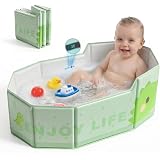
Bathing a newborn is more than just about cleanliness; it’s a sacred ritual, a tender moment of connection, much like a warm, gentle rain over new blossoms. Most newborns don’t need a full bath every day; 2-3 times a week is often sufficient, with sponge baths for daily top-ups, especially before the umbilical cord stump falls off. The water should be comfortably warm, around 100°F (38°C), like a perfect cup of tea – not too hot, not too cold. Always check the temperature with your elbow or a thermometer before introducing your baby to the water. A baby bathtub can provide extra security, preventing slips and offering a comfortable incline.
Begin by gathering all your supplies: a soft towel, gentle baby soap and shampoo, a clean diaper, and fresh clothes. Support your baby’s head and neck with one hand while gently lowering them into the water. Use a soft washcloth to clean their face, scalp, and body, working from top to bottom. Pay special attention to creases in the neck, armpits, and groin. A no-tears formula shampoo is like a tiny, gentle umbrella, protecting their sensitive eyes. Rinse thoroughly, and then gently lift your baby out, wrapping them immediately in a warm towel like a comforting cocoon. Pat them dry, apply a mild baby lotion to moisturize their delicate skin, and dress them quickly to prevent chills, transforming a routine task into a nurturing embrace.
2. Weaving Routines into Your Daily Rhythm
While newborns largely dictate their own schedules, especially concerning feeding and sleeping, you can introduce gentle patterns that support their natural rhythms. For example, a “feed-play-sleep” cycle can help distinguish day from night, similar to teaching a young bird the difference between sunrise and sunset. Consider a soothing pre-bedtime routine: a warm bath, a gentle massage, a quiet feeding, and then swaddling. This sequence, performed consistently, sends clear signals to your baby’s developing brain that it’s time to wind down. Consistency is like a gentle hum, providing comfort and familiarity without being restrictive.
3. Essential Gear for Seamless Newborn Routines
Having the right tools can make all the difference, transforming potentially chaotic moments into manageable ones. A comfortable changing table or changing pad creates a dedicated, organized space. A reliable baby monitor is your extra pair of ears, like a diligent sentinel guarding your little one’s sleep. A supportive baby carrier allows you to keep your baby close while still accomplishing tasks, much like a marsupial pouch offering warmth and security. Stocking up on soft burp cloths, gentle laundry detergent, and plenty of onesies will also alleviate stress, ensuring you’re prepared for the inevitable spills and outfit changes that are a daily part of newborn life. These practical items, much like the right gear for an adventurer, help you navigate the landscape of early parenthood with greater ease and confidence.
Embracing these essential newborn care routines, from the foundational task of changing a baby’s diaper to the soothing experience of their first baths, transforms everyday obligations into profound opportunities for bonding and growth. Remember that every parent’s journey is unique, and finding what works best for you and your little one is the ultimate goal. Approach each interaction with patience and love, and you’ll find immense joy in every milestone of newborn care.
Ready for a Change? Your Newborn Diaper, Bath, and Routine Q&A
How often should I change a newborn’s diaper?
Newborns need their diapers changed frequently, typically every 2-3 hours, or immediately after they have a bowel movement, even if they are sleeping.
What supplies do I need for a newborn diaper change?
To efficiently change a diaper, you’ll need a fresh diaper, gentle baby wipes or a damp washcloth, diaper rash cream or ointment, and a changing pad or soft towel.
What is diaper rash and how can I prevent it?
Diaper rash is a common skin irritation characterized by redness. To prevent it, ensure frequent diaper changes, thorough cleaning, and allow your baby’s skin to have some air exposure.
How often should I bathe my newborn?
Most newborns don’t require a full bath every day; 2-3 times a week is usually sufficient. You can use sponge baths for daily top-ups, especially before the umbilical cord stump falls off.