
The care of an infant’s delicate skin represents a significant concern for many parents and caregivers. Unlike adult integument, a baby’s skin exhibits distinct physiological characteristics that necessitate a specialized approach to maintenance and protection. Issues such as dryness, irritation, and common dermatological conditions are frequently observed, prompting a search for expert-backed solutions. Addressing these challenges effectively requires a nuanced understanding of infant dermatophysiology and the adoption of evidence-based practices.
As highlighted in the accompanying video by a distinguished dermatologist, a foundational knowledge of these differences is paramount. This supplementary guide aims to expand upon the critical insights provided, offering a comprehensive, expert-level resource for optimizing infant skin health, thereby ensuring appropriate care regimens are consistently applied.
Understanding the Unique Physiology of Infant Skin
The distinction between infant and adult skin is not merely superficial; rather, it encompasses fundamental structural and functional differences. These variations underscore the heightened vulnerability of newborn integument and inform the specific protective measures that must be implemented in comprehensive baby’s skin care.
The Developing Skin Barrier Function
In infants, the stratum corneum, the outermost layer of the epidermis, is notably thinner and less compacted compared to that of adults. This structural immaturity translates directly into a compromised skin barrier function. The lipid matrix, which serves as the “mortar” between epidermal cells, is not yet fully developed, leading to an increased propensity for transepidermal water loss (TEWL). Research consistently indicates that neonates exhibit TEWL rates approximately two to three times higher than those observed in adults. Consequently, infant skin is predisposed to dehydration and susceptibility to environmental irritants and allergens. Such a barrier deficiency renders the skin more permeable to substances, both beneficial and potentially harmful, emphasizing the imperative for gentle, non-irritating product selection.
Thermoregulation Challenges in Infants
Another critical physiological difference pertains to thermoregulation. The video mentions that a baby’s skin cannot thermoregulate as effectively as adult skin, primarily due to heightened vasodilation. This phenomenon, involving the widening of superficial blood vessels, facilitates an increased blood flow to the skin’s surface. While this mechanism can aid in heat dissipation, it conversely makes infants more prone to heat loss in cooler environments. It is recognized that newborns possess a larger surface area-to-volume ratio than adults, further contributing to rapid heat loss. Therefore, maintaining a stable thermal environment and ensuring appropriate layering of clothing are essential considerations for preventing hypothermia, as their intrinsic physiological mechanisms for heat retention are less robust.
Foundational Principles of Baby’s Skin Care
Given the inherent vulnerabilities of infant skin, a meticulous and consistent skin care regimen is indispensable. Adherence to expert guidelines can significantly mitigate the risk of common dermatological issues and foster optimal skin health from birth.
Prioritizing Gentle Cleansing Routines
Bathing practices are central to baby’s skin care. It is advised that baths be kept brief, typically not exceeding 5-10 minutes, utilizing lukewarm water. Water temperature, if too hot, can strip the skin of its natural lipids, exacerbating dryness, whereas excessively cold water can induce thermal stress. Following cleansing, meticulous attention must be paid to thoroughly drying all body folds, particularly those areas prone to moisture retention such as the neck creases, beneath the underarms, and within the groin and thigh folds. Persistent moisture in these intertriginous areas creates a conducive environment for microbial proliferation, including yeasts and bacteria, which can culminate in fungal infections or irritation. Therefore, gentle patting with a soft towel, rather than vigorous rubbing, is recommended to prevent mechanical irritation.
The Role of Regular Moisturisation
Given the propensity for dryness in infant skin, the application of a light, emollient moisturizer is often prescribed. This practice helps to fortify the developing skin barrier and reduce TEWL. For optimal efficacy, moisturizers should ideally be applied within minutes following a bath, while the skin is still slightly damp. This timing facilitates the entrapment of water in the epidermis, maximizing hydration. The selection of a moisturizer should prioritize formulations that are fragrance-free, hypoallergenic, and devoid of potential irritants, as discussed in the video. Regular application, often twice daily, contributes significantly to maintaining skin integrity and suppleness, thereby mitigating the incidence of xerosis (dry skin) and associated pruritus.
Navigating Baby Massages and Oils
The practice of infant massage has long been recognized for its multifaceted benefits, extending beyond mere skin health to encompass enhanced bonding, improved circulation, and promotion of relaxation. When executed correctly, with appropriate products, it can be a valuable component of baby’s skin care. Plain coconut oil or specific baby oils are typically recommended for this purpose due to their gentle nature and emollient properties. Coconut oil, in particular, is rich in medium-chain fatty acids, which exhibit moisturizing qualities. Nevertheless, caution is warranted regarding the inclusion of certain traditional additives. The video explicitly advises against incorporating irritating ingredients such as camphor oil, garlic, or cloves. These substances, while culturally prevalent in some practices, are known contact sensitizers and can induce erythema, burning sensations, and allergic reactions on an infant’s highly permeable skin. Consequently, it is imperative that only bland, well-tolerated oils are utilized.
Proactive Management of Diaper Dermatitis
Diaper dermatitis, commonly known as diaper rash, is one of the most frequently encountered dermatological conditions in infancy. Its prevalence is particularly high, with reports indicating that it affects up to 35% of infants at some point, with peak incidence often observed between six to eight months of age. This period corresponds to increased mobility, the introduction of solid foods (which can alter stool pH), and prolonged exposure to soiled diapers.
The Prevalence and Causes of Diaper Rash
The etiology of diaper rash is multifactorial, involving a complex interplay of moisture, friction, chemical irritation from urine and feces, and secondary microbial colonization. Prolonged contact with urine elevates skin pH, activating fecal enzymes (lipase and protease) that degrade the stratum corneum. Furthermore, the occlusive environment created by diapers fosters a warm, moist milieu, ideal for the proliferation of microorganisms, notably Candida albicans, a common yeast. The constant rubbing of the diaper against the skin also contributes to mechanical irritation and barrier disruption. Therefore, a comprehensive strategy addressing each of these contributing factors is crucial for effective prevention and management.
Effective Diaper Rash Prevention Strategies
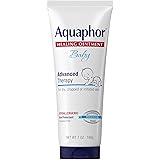
A cornerstone of diaper rash prevention is the diligent application of a protective barrier cream. As highlighted in the video, zinc oxide cream is widely recommended. Zinc oxide functions by forming an impermeable layer on the skin’s surface, effectively shielding it from direct contact with irritants present in urine and feces. Moreover, it possesses mild astringent and antiseptic properties. Regular and liberal application of such creams at each diaper change significantly reduces the likelihood of rash development. Beyond barrier protection, frequent diaper changes are paramount, ideally as soon as the diaper is soiled, to minimize exposure time to irritants. Another highly effective intervention is the provision of “diaper-free time.” Allowing the infant’s bottom to air out periodically diminishes the humid, occlusive environment, promoting skin dryness and reducing the opportunity for microbial overgrowth. Clinical observations suggest that even short periods of diaper-free time can significantly contribute to rash prevention. In instances where a severe rash has developed, or if sensitivity to commercial disposable diapers is suspected, the use of soft cotton nappies may be considered as a gentler alternative, allowing for increased air circulation and reduced friction.
Dermatologist-Approved Products for Infant Skin
The selection of appropriate baby’s skin care products is a critical decision for parents, often fraught with numerous choices and sometimes confusing marketing claims. Guidance from dermatological experts helps to navigate this landscape effectively, ensuring product safety and efficacy.
Selecting Appropriate Moisturizers and Lotions
As mentioned in the video, certain formulations are particularly well-suited for infant skin. The Bioderma Atoderm Crème, for instance, is frequently cited for its rich composition, which typically includes humectants such as glycerine and xylitol, emollients like mineral oil, and osmoregulators such as mannitol. Glycerine, a well-established humectant, attracts water from the air and deeper skin layers, while mineral oil acts as an occlusive agent, forming a protective barrier to minimize water loss. Xylitol and mannitol are saccharide derivatives that contribute to skin hydration and barrier function. Being fragrance-free, this formulation minimizes the risk of fragrance-induced irritation, a common concern in pediatric dermatology.
The Johnson’s Baby Lotion is another option, often containing glycerine, glycerides, and chamomile extract. Chamomile is recognized for its soothing and anti-inflammatory properties, attributed to compounds such as bisabolol and chamazulene, which can help calm irritated skin. While this product may contain fragrance, its formulation has undergone extensive safety testing, as will be discussed further.
Aveeno Body Lotion, distinguished by its inclusion of oat extracts, specifically colloidal oatmeal, offers notable benefits. Oat extracts are renowned for their anti-inflammatory and antioxidant properties, making them particularly soothing for sensitive or irritated skin. Clinical studies have demonstrated that colloidal oatmeal can help to restore the skin barrier, reduce pruritus, and alleviate symptoms associated with dermatological conditions such as eczema, offering a calming effect that can be highly beneficial for infants.
Addressing Product Safety Concerns: A Dermatologist’s Perspective
In the realm of baby’s skin care, product safety is a paramount consideration, and concerns, particularly regarding established brands, are understandably prevalent. The dermatologist in the video directly addresses inquiries regarding the safety of Johnson’s products, emphasizing the importance of due diligence. It is explicitly clarified that extensive consultations with the manufacturer’s scientists and research teams have confirmed the safety of their lotions, creams, and oils for infant use. Crucially, the historical safety concerns frequently cited in public discourse were primarily associated with the brand’s powder range, largely due to the risk of talc inhalation, and not with their other liquid or cream formulations. This distinction is vital for accurate consumer information, providing reassurance that these specific product categories are deemed safe when used as directed. Nevertheless, general best practice for any new product application on sensitive skin dictates a small patch test on an inconspicuous area to observe for any localized reaction.
Cautionary Advice on Baby Powder Usage
Despite previous widespread use, the application of baby powder on infants is now largely discouraged by medical professionals, including the dermatologist in the video. The primary concern revolves around the risk of inhalation. Fine powder particles, whether talc-based or cornstarch-based, can be readily aspirated by infants, whose respiratory systems are still developing. Inhalation can lead to respiratory irritation, bronchoconstriction, and, in severe cases, pulmonary inflammation or pneumonitis. Given these significant risks, the overall consensus is that the benefits of powder, primarily absorbing moisture and reducing friction, are outweighed by its potential hazards. If powder application is deemed absolutely necessary for specific areas, such as the underarms or groin, extreme caution must be exercised. It is imperative that only a very small quantity is applied, and the baby’s face should be turned away from the application area to minimize any possibility of inhalation. Furthermore, alternative methods for moisture absorption, such as thorough drying and liberal use of barrier creams, are generally considered safer and more effective.
Gentle Answers for Delicate Skin: Your Dermatologist Q&A on Baby Skin Care
Why is baby skin different from adult skin?
Baby skin is much thinner and has a less developed protective barrier, which makes it more likely to get dry or irritated. It also can’t control its temperature as well as adult skin.
How should I bathe my baby?
Keep baths short, around 5-10 minutes, using lukewarm water. After bathing, gently pat your baby’s skin completely dry, especially in all skin folds.
What is the best way to prevent diaper rash?
To prevent diaper rash, apply a protective barrier cream like zinc oxide during each diaper change. Also, change soiled diapers frequently and give your baby some ‘diaper-free time’ to let their skin air out.
Should I use baby powder on my infant?
Medical experts generally advise against using baby powder because babies can easily inhale the fine particles, which can be harmful to their developing respiratory system.