
The quest for optimal infant health extends to every aspect of a baby’s well-being, including their delicate skin. The accompanying video presents a home-based concoction for what it describes as “baby skin whitening,” promoting a blend of dry milk, baby lotion, and rose water for achieving “fair, glowing, clean & clear healthy skin forever.” While the intention to foster healthy skin is commendable, the scientific and dermatological understanding of infant skin mandates a more nuanced, evidence-based approach to skincare, particularly when claims of altering natural skin tone are involved.
Infant skin possesses a unique physiology that demands careful consideration and a departure from adult skincare protocols or unverified home remedies. Understanding these fundamental differences is paramount for ensuring genuine **baby skin care** and preventing potential harm.
Understanding the Unique Physiology of Infant Skin
The delicate nature of a newborn’s skin is a widely recognized characteristic, yet its specific vulnerabilities are often underestimated. The epidermal barrier, which acts as the body’s primary defense against external aggressors and internal moisture loss, is significantly less developed in infants than in adults. This immaturity translates to a thinner stratum corneum, the outermost layer of the epidermis, rendering it more permeable.
Consequently, infant skin absorbs substances more readily, making it highly susceptible to irritation, allergic reactions, and systemic absorption of chemicals. Furthermore, the immature thermoregulation and less active sebaceous glands contribute to increased susceptibility to dryness and certain dermatological conditions. It is within this context that any discussion of **baby skin care**, especially concerning interventions like “skin whitening,” must be grounded in pediatric dermatology principles rather than anecdotal practices.
Deconstructing “Baby Skin Whitening”: A Critical Examination
The concept of “baby skin whitening” or attempting to lighten a child’s natural complexion lacks scientific merit and raises significant health concerns. A baby’s skin tone is primarily determined by genetics and the concentration of melanin, a natural pigment, in their skin. This genetic predisposition cannot be safely or effectively altered through topical applications, whether over-the-counter products or homemade remedies.
Upon reviewing the ingredients suggested in the video—dry milk, baby lotion, and rose water—it becomes evident that none possess scientifically validated properties for safely or effectively “whitening” infant skin. Dry milk, while containing lactic acid, an alpha-hydroxy acid (AHA) known for exfoliation, can be overly harsh and irritating for a baby’s highly permeable skin, potentially disrupting the epidermal barrier. The concentration of lactic acid in dry milk is variable and uncontrolled, making its application a significant risk for irritation, redness, or even chemical burns on sensitive infant skin. Moreover, lactic acid’s primary action is exfoliation, not a safe change in melanin production.
Commercial baby lotions, such as Johnson’s baby lotion mentioned, are formulated for moisturizing and protecting the skin, not for altering skin pigmentation. While generally considered mild, any product contains various ingredients (emollients, humectants, preservatives, fragrances) that can trigger contact dermatitis in sensitive individuals, especially infants whose immune systems and skin barriers are still developing. Applying them in an unproven “whitening” concoction, particularly daily and overnight, introduces unknown risks. Rose water, often touted for its soothing and aromatic properties, is derived from rose petals and may contain natural essential oils or constituents that could act as allergens or irritants on a baby’s delicate complexion, again without any basis for skin tone alteration.
The claim that such a mixture will result in “fair, glowing clean & clear healthy skin forever” is unsubstantiated. True skin health for an infant is characterized by an intact barrier, proper hydration, and an absence of irritation or infection, regardless of pigmentation. Pursuing cosmetic changes to a baby’s natural skin tone through unverified methods detracts from prioritizing genuine dermatological health and safety.
Best Practices for Nurturing Natural Infant Skin Health
Instead of focusing on altering natural skin tone, pediatric dermatology emphasizes cultivating and maintaining the inherent health of a baby’s skin. A proactive and gentle approach to **baby skin care** minimizes risks and supports the skin’s natural functions.
Gentle Cleansing and Hydration Protocols
Regular bathing, typically 2-3 times per week, using lukewarm water and a mild, pH-neutral, fragrance-free cleanser is recommended. Prolonged exposure to water can strip the skin of natural oils, so baths should be brief, lasting no more than 5-10 minutes. Immediately after bathing, gently pat the skin dry, leaving it slightly damp, and then apply a generous amount of a hypoallergenic, fragrance-free emollient or moisturizer. This practice helps to lock in moisture and reinforce the skin’s barrier function. Key ingredients in effective moisturizers include petrolatum, ceramides, and hyaluronic acid, which are well-tolerated by infant skin and aid in hydration.
Comprehensive Sun Protection Strategies
Protecting infant skin from harmful ultraviolet (UV) radiation is critical, as sunburns during infancy significantly increase the risk of skin cancer later in life. For infants under six months, direct sun exposure should be entirely avoided. This involves seeking shade, using wide-brimmed hats, and dressing babies in lightweight, protective clothing. For infants over six months, mineral-based sunscreens containing zinc oxide or titanium dioxide can be applied to small areas of exposed skin, although physical barriers remain the primary defense. The use of SPF is a vital component of long-term skin health, preventing photodamage and maintaining skin integrity.
Diaper Care and Preventative Measures
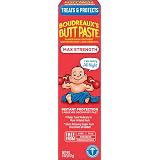
Diaper dermatitis, commonly known as diaper rash, is a frequent concern for infants. Proactive management includes frequent diaper changes to minimize contact with moisture and irritants. Applying a thick layer of a barrier cream, typically containing zinc oxide or petrolatum, at each diaper change creates a protective layer against wetness and reduces friction. Ensuring the diaper fits correctly also prevents chafing and promotes air circulation.
Ingredients to Prioritize and Those to Avoid
When selecting **baby skin care** products, scrutinizing ingredient lists is essential. Prioritize products formulated with minimal ingredients, free from fragrances, dyes, parabens, phthalates, and formaldehyde-releasing preservatives. These additives are known irritants and sensitizers, particularly for developing skin. Avoid harsh soaps, alcohol-based products, and essential oils unless specifically recommended by a pediatric dermatologist, due to their potential to cause allergic reactions or dryness.
Crucially, steer clear of any products, homemade or commercial, that claim to “whiten” skin. These often contain dangerous active agents such as hydroquinone, mercury, or high-potency corticosteroids, which are profoundly detrimental to infant health. Mercury exposure can lead to neurotoxicity, kidney damage, and other severe systemic effects, while corticosteroids can thin the skin, cause stretch marks, and lead to systemic absorption with adverse effects on growth and development.
Addressing Common Parental Concerns About Baby Skin Appearance
It is natural for parents to observe their baby’s skin closely and sometimes develop concerns about its appearance. Variations in skin tone, minor blemishes like milia, transient neonatal pustular melanosis, or erythema toxicum are common and typically resolve without intervention. A baby’s natural complexion is inherently beautiful and perfectly suited for their unique genetic makeup. The focus should always be on supporting healthy skin function rather than pursuing cosmetic alterations to pigmentation.
If persistent rashes, unusual discoloration, extreme dryness, or signs of infection (such as pus, severe redness, or fever) manifest, immediate consultation with a pediatrician or a board-certified pediatric dermatologist is imperative. These professionals possess the expertise to diagnose conditions accurately and recommend appropriate, safe, and effective treatments, ensuring the baby’s overall health is prioritized. True **baby skin care** champions the natural health and resilience of infant skin, embracing its inherent characteristics and safeguarding it against unfounded practices and potentially harmful remedies.
Shedding Light: Your Questions on Baby Skin Whitening
What makes a baby’s skin different from an adult’s?
Infant skin is much more delicate and permeable than adult skin because its protective barrier is less developed. This makes it absorb substances more easily and more prone to irritation and dryness.
Is it safe to use “skin whitening” products or home remedies on my baby?
No, it is not safe. A baby’s natural skin tone is determined by genetics and cannot be safely changed, and these products or remedies can cause severe irritation or even serious health problems.
What are the best general practices for safe baby skin care?
Focus on gentle cleansing with mild, fragrance-free products, brief lukewarm baths, and regular moisturizing with hypoallergenic lotions. It is also crucial to protect your baby from sun exposure.
What ingredients should I avoid in baby skincare products?
Avoid products with fragrances, dyes, parabens, phthalates, harsh soaps, alcohol, and essential oils. Critically, steer clear of any products, homemade or commercial, that claim to “whiten” skin.
When should I consult a doctor about my baby’s skin?
You should see a pediatrician or dermatologist if your baby has persistent rashes, unusual discoloration, extreme dryness, or signs of infection like pus or severe redness.