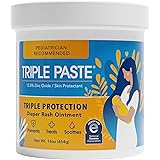

Imagine, for a moment, meeting someone with incredibly clear, radiant skin. When you compliment them, they casually shrug and declare, “Oh, I only ever use Johnson’s Baby Cream.” For some, this might elicit admiration or even envy. Yet, as the video above subtly suggests through its provocative title, such a statement often reflects less about superior skincare wisdom and more about a fortunate roll of the genetic dice.
The notion that a singular, gentle product designed for infants is sufficient for comprehensive adult skincare is a common misconception. While baby products are indeed formulated to be mild and hypoallergenic, they are fundamentally designed for skin with different needs and challenges than that of a fully developed adult. Relying solely on them for an entire lifetime often overlooks the complex biology of mature skin and the myriad environmental stressors it faces daily. This article delves into why effective adult skincare demands a more nuanced approach than simply hoping for “pure dumb luck.”
Understanding the Unique Needs of Adult Skin
The skin of an infant is vastly different from that of an adult. Infant skin is thinner, more sensitive, and has an underdeveloped skin barrier. Baby creams are formulated to be extremely gentle, free of common irritants, and primarily focus on moisturizing and protecting this delicate barrier. However, as we age, our skin undergoes significant changes.
Adult skin, particularly after puberty, faces an entirely new set of demands. It grapples with environmental damage from UV radiation and pollution, experiences cellular turnover slowdown, and begins to lose essential components like collagen, elastin, and hyaluronic acid. These changes contribute to concerns such as fine lines, wrinkles, uneven skin tone, hyperpigmentation, acne, and decreased elasticity. Therefore, the simple, protective nature of a baby cream, while benign, is largely insufficient to address these specific and evolving challenges inherent to adult skin.
The Skincare Science Behind Optimal Adult Skincare
Effective adult skincare is not merely about applying a moisturizer; it is a strategic approach informed by dermatological science. The goal extends beyond basic hydration to promoting cellular repair, protecting against oxidative stress, maintaining a healthy skin barrier, and stimulating regeneration. This requires a routine that incorporates specific active ingredients designed to target particular concerns.
For instance, to combat environmental aggressors, antioxidants like Vitamin C and E are crucial. To address cellular turnover and collagen production, ingredients such as retinoids (Vitamin A derivatives) are highly effective. Furthermore, maintaining the skin’s pH balance and supporting its lipid barrier with ceramides and fatty acids are vital for overall skin health and resilience. A baby cream, by its very nature, will not contain these advanced active compounds, leaving adult skin vulnerable and untreated.
Essential Components of an Effective Adult Skincare Routine
Building a robust adult skincare routine involves several key steps, each with a distinct purpose. It’s an investment in your skin’s long-term health and appearance, moving far beyond the simplicity of a single product.
Cleansing: The Foundation
A gentle yet effective cleanser is paramount for removing dirt, oil, makeup, and pollutants without stripping the skin’s natural moisture. Selecting a cleanser appropriate for your skin type – whether dry, oily, combination, or sensitive – is the initial step towards a balanced complexion. For example, individuals with oily skin might benefit from a gel-based cleanser, whereas those with dry skin often prefer a creamier, hydrating formula.
Targeted Treatments: Addressing Specific Concerns
This is where an adult skincare routine truly distinguishes itself. Serums and treatments containing active ingredients are designed to penetrate deeply and deliver concentrated benefits. Imagine if you only cleaned your house but never bothered to fix any leaks or repair broken windows; the core problems would persist. Similarly, targeted treatments work to address specific issues such as:
- Anti-aging: Retinoids, peptides, growth factors.
- Hyperpigmentation: Vitamin C, niacinamide, alpha arbutin, azelaic acid.
- Acne: Salicylic acid, benzoyl peroxide.
- Hydration: Hyaluronic acid, glycerin.
These ingredients stimulate collagen, brighten skin tone, reduce inflammation, or provide intense hydration, tasks that baby cream simply cannot perform.
Moisturizing: Supporting the Skin Barrier
While baby creams excel at moisturizing, adult moisturizers are often more sophisticated. They blend humectants (which draw moisture into the skin), emollients (which smooth and soften), and occlusives (which create a barrier to prevent moisture loss). Moreover, many adult moisturizers also contain additional beneficial ingredients like antioxidants or gentle exfoliants, providing multi-functional benefits beyond basic hydration.
Sun Protection: The Non-Negotiable Step
Perhaps the most critical difference in an adult skincare routine is the consistent use of broad-spectrum sunscreen with an SPF of 30 or higher. UV radiation is the primary cause of premature aging, sunspots, and increased risk of skin cancer. While some baby sunscreens exist, incorporating a dedicated facial sunscreen into an adult routine is non-negotiable for true skin protection and health. It actively shields the skin from damage that no amount of baby cream can reverse.
Customization and Patience: Keys to Success
A truly effective skincare routine for adults is highly personalized. It requires understanding your unique skin type, concerns, and even your lifestyle. What works wonders for one individual might not be suitable for another. For example, someone with chronic dryness will require a different regimen than someone prone to cystic acne.
Furthermore, patience is a virtue in skincare. Results from new products and routines rarely appear overnight. It often takes weeks or even months of consistent use to observe significant improvements. Transitioning to a more comprehensive adult skincare regimen demands dedication and a willingness to observe how your skin responds to different ingredients and formulations.
While the person who boasts of using only baby cream might indeed possess naturally resilient skin, it is a testament to genetic fortune rather than a recommended strategy for comprehensive and preventative adult skincare. Prioritizing an informed approach, selecting products with intention, and understanding the science behind skin health offers far more dependable and lasting benefits than relying on pure dumb luck.
Is Your Skin Just Lucky? Ask Your Skincare Questions
Is Johnson’s Baby Cream enough for adult skincare?
No, adult skin has different needs and challenges than baby skin, so a baby cream alone is usually not sufficient for comprehensive adult skincare. It often lacks the specific ingredients needed to address adult skin concerns like aging or environmental damage.
How is adult skin different from baby skin?
Baby skin is generally thinner and more sensitive, whereas adult skin deals with environmental damage, cellular turnover slowdown, and loss of collagen and elastin over time. Adult skin requires products designed to address these evolving concerns.
What are the essential steps in an effective adult skincare routine?
A good adult skincare routine typically includes cleansing, applying targeted treatments (like serums), moisturizing, and most importantly, consistent broad-spectrum sun protection.
Why is daily sunscreen so important for adults?
Daily sunscreen use is critical because UV radiation is the main cause of premature aging, sunspots, and skin cancer. It actively shields your skin from damage that other products cannot reverse.